Did you know that Marvin Keller can be fined by a Broker for not tracking a load through their tracking source?
MK can be fined between $75-$200 per load if the driver does not download the tracking app. We understand that drivers dislike the tracking apps, but there are some Brokers who will not book us on the shipment unless we agree to use their tracking tools and we want to keep our drivers moving.
We’ve also been working to get Brokers and Customers set up so the shipment will track through our system instead. As always, we try to book as much Customer freight as we can and avoid Broker loads, but unfortunately there are times that can’t be avoided.
Earn a $200 bonus on your settlement when you complete the Driver Performance Safety Campaign activities! Be sure to complete the campaign materials by June 30, 2023! Click the link to see more information about our campaign:
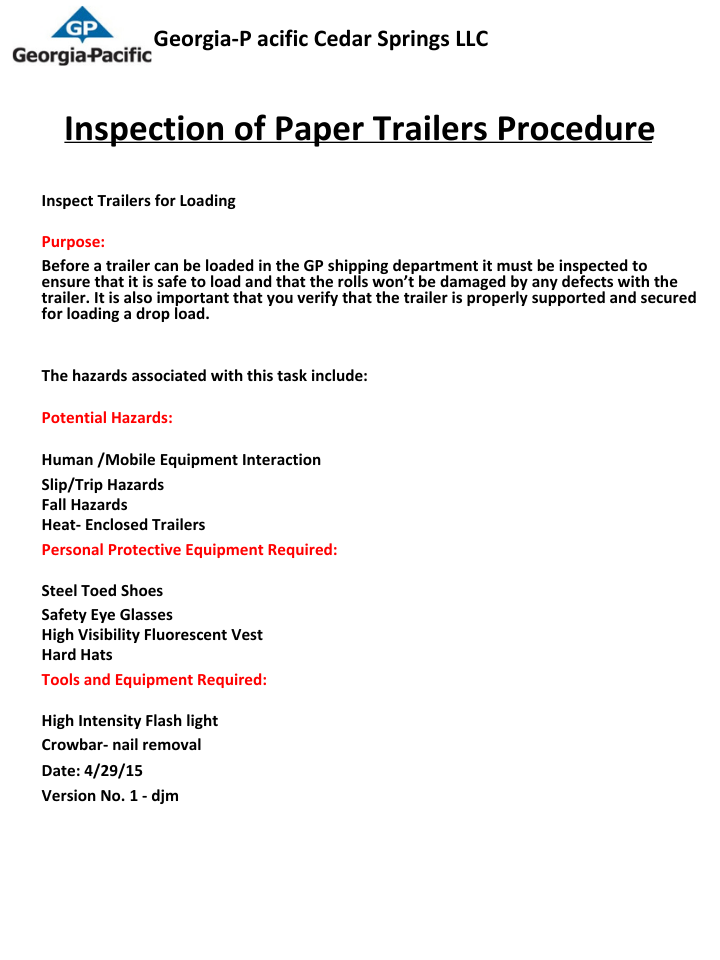
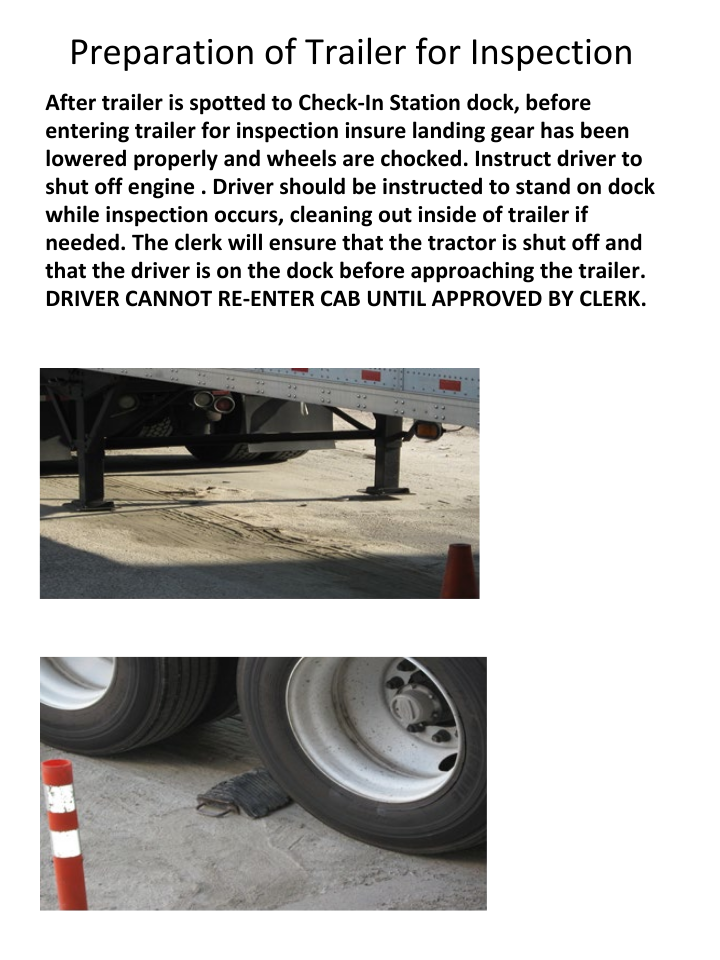
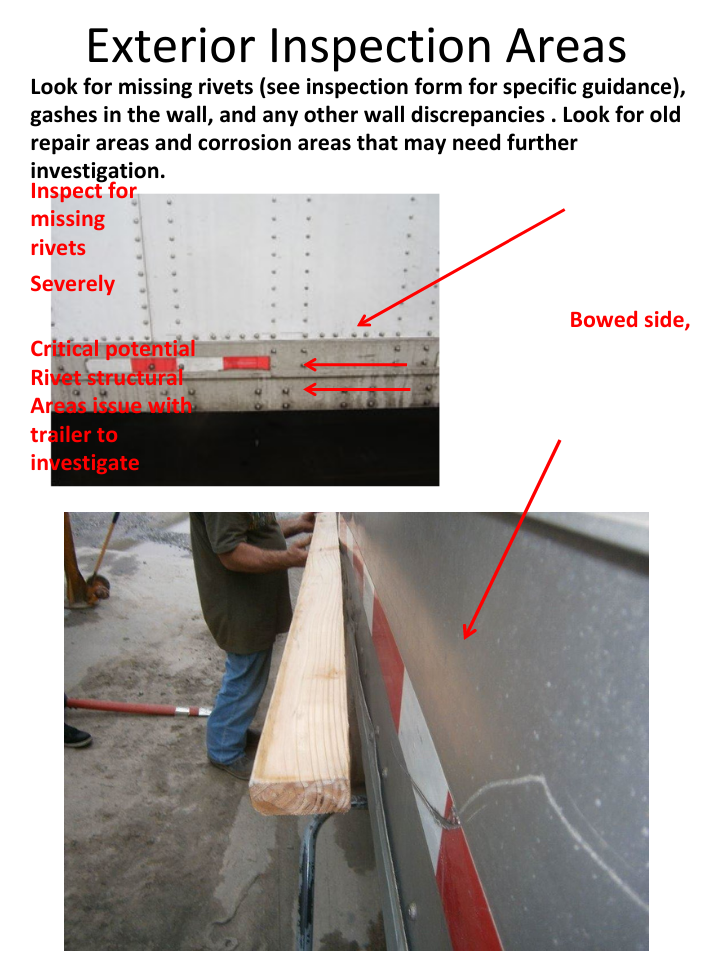
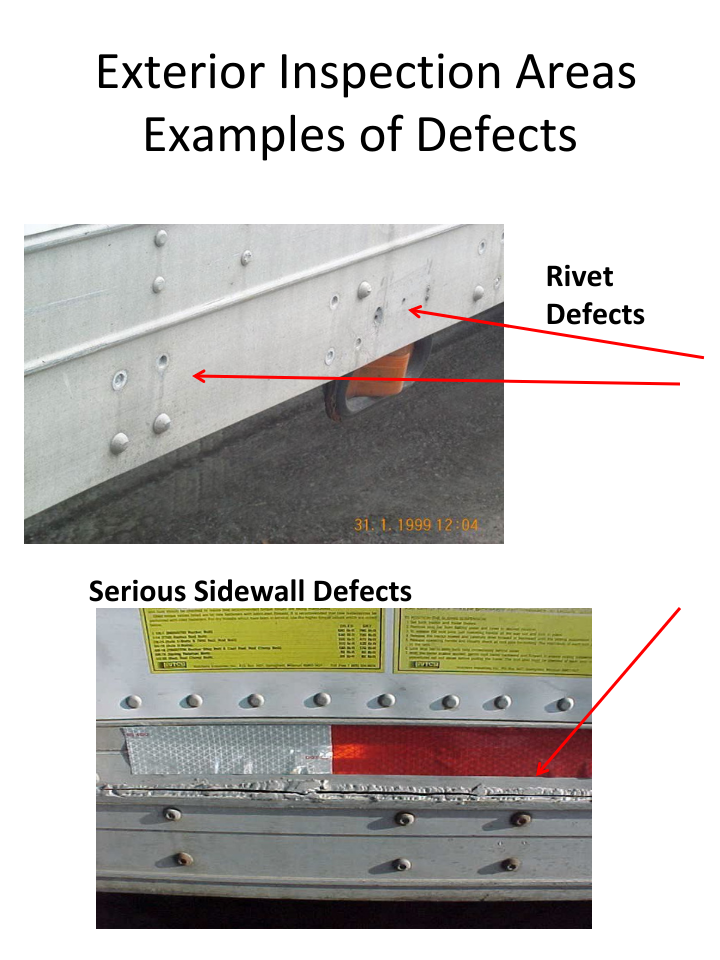
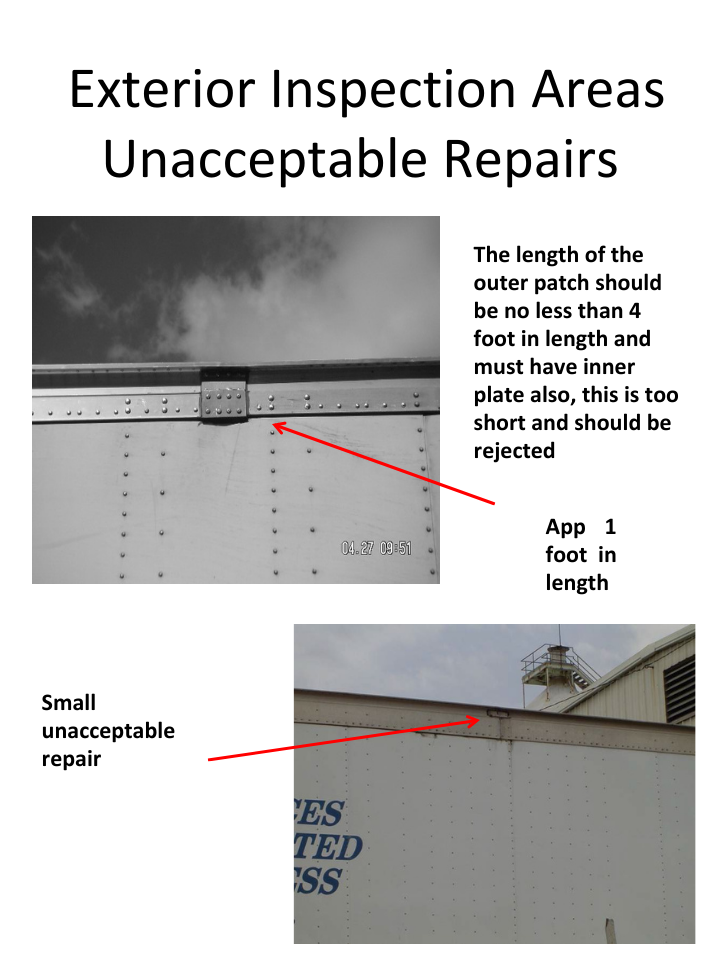
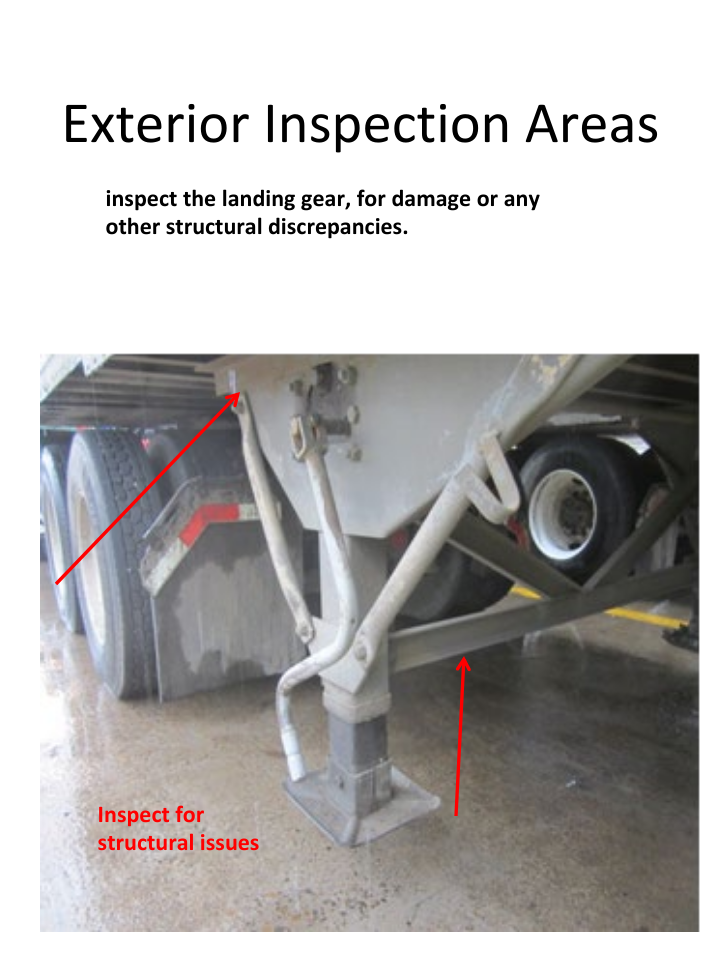
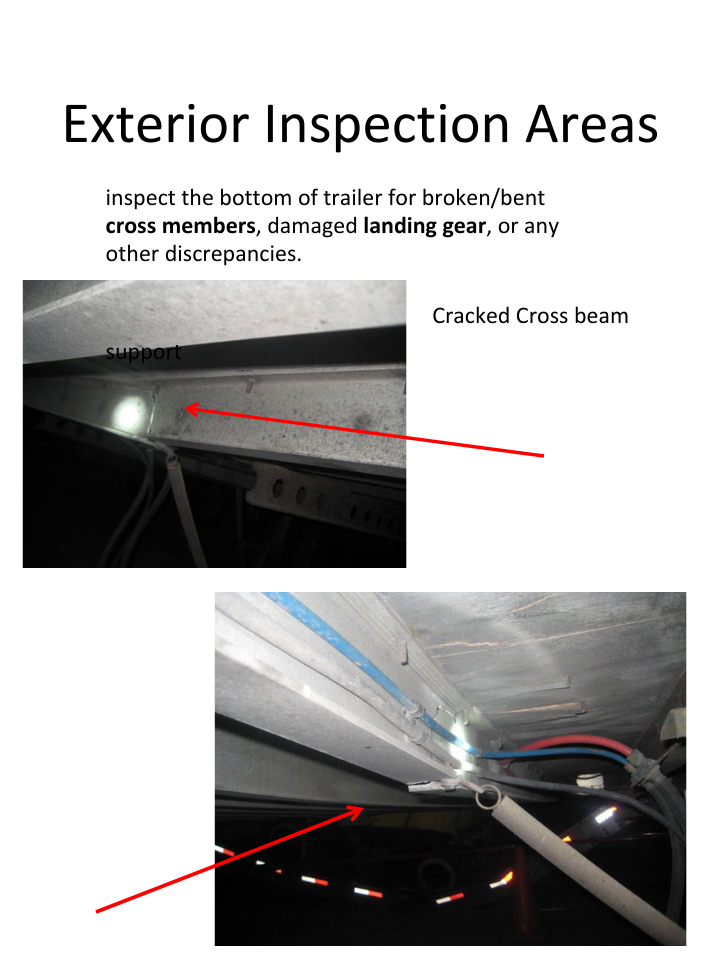
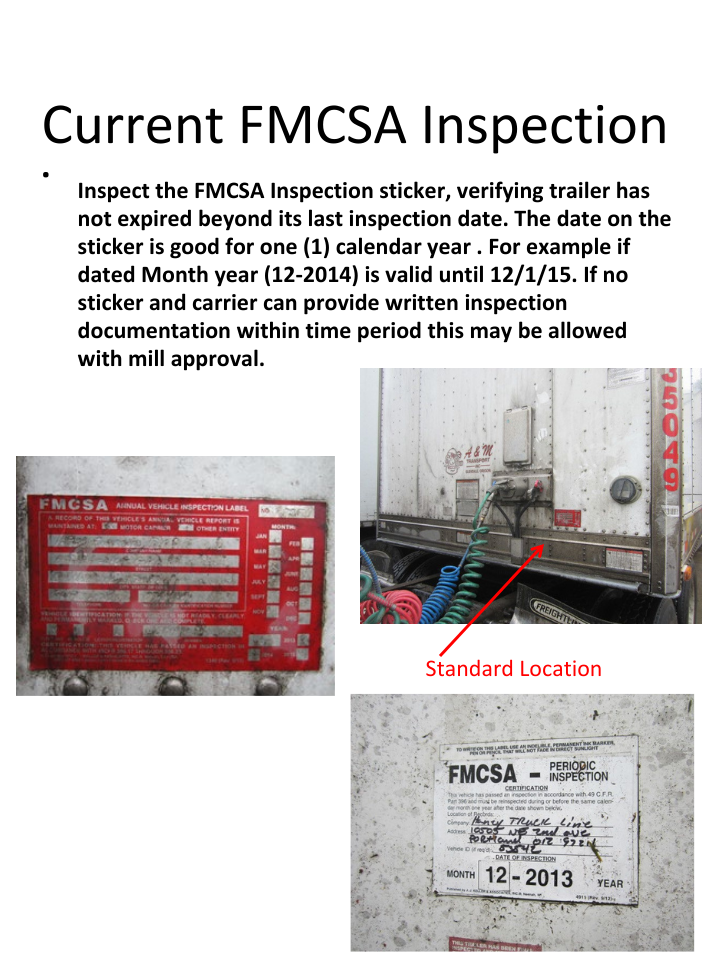
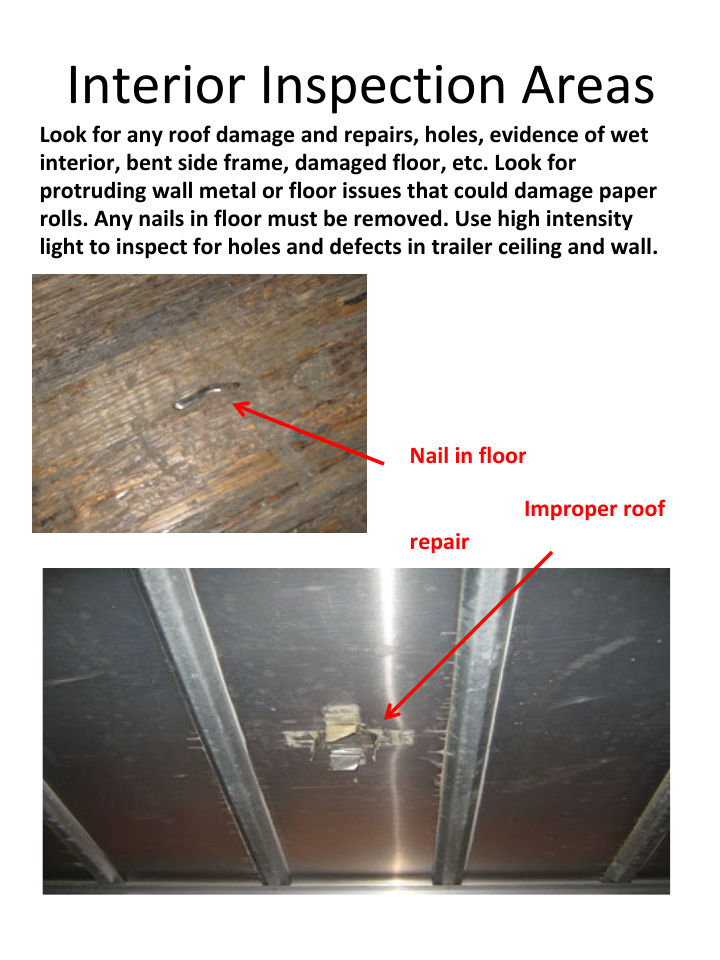
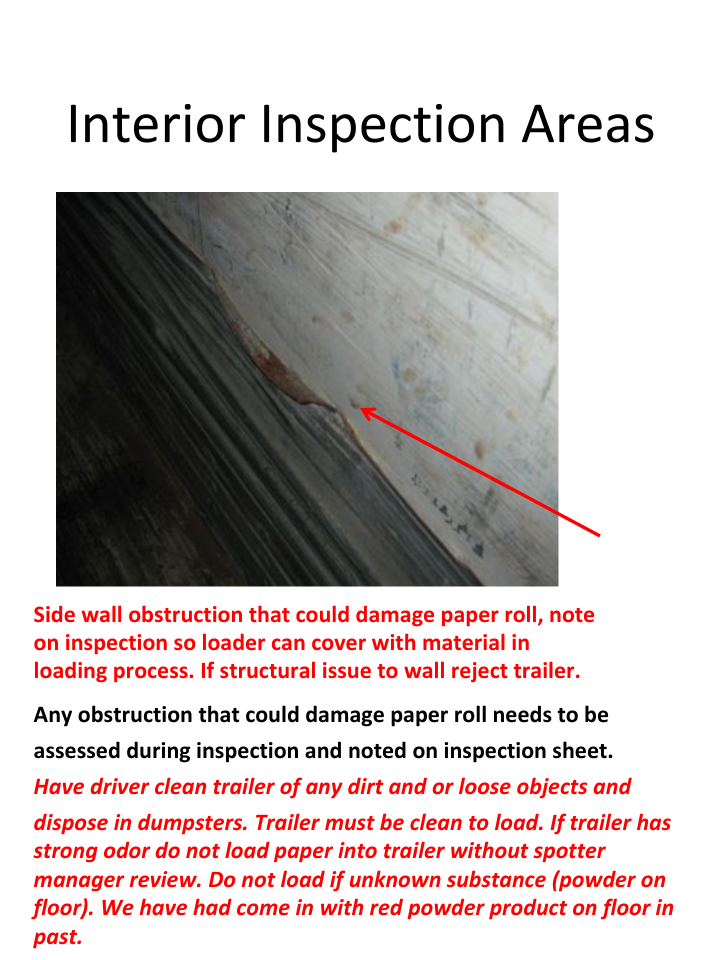
We wanted to acknowledge GP Cedar Springs’s established guidelines for trailer inspections and make our best effort to adhere to them to prevent any rejections.
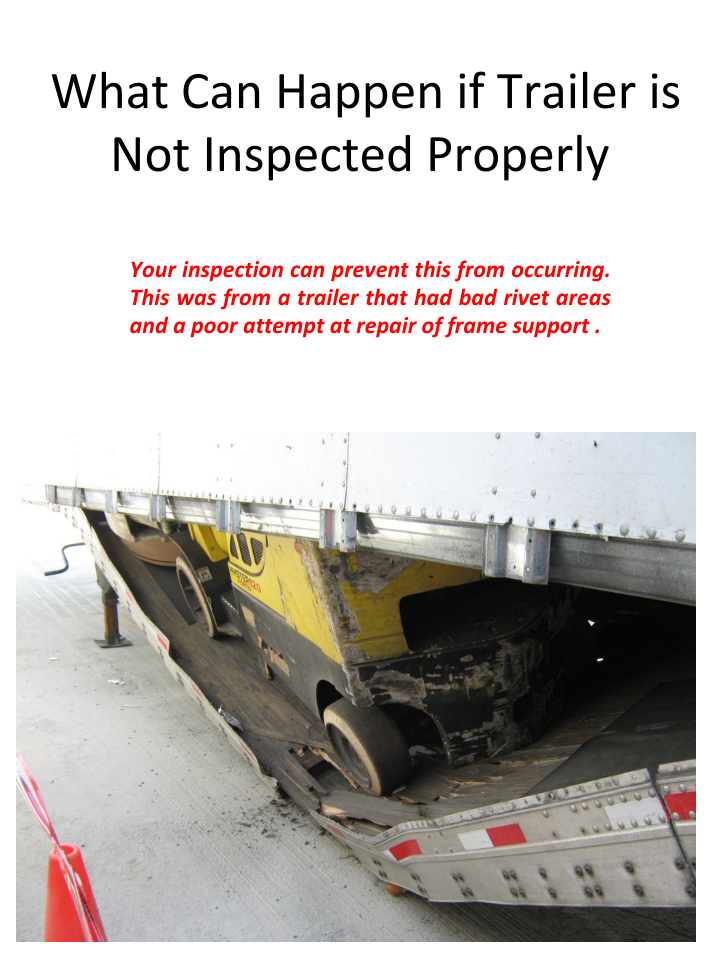
To avoid any potential hazards, all trailers are thoroughly inspected before loading. These paper rolls can weigh anywhere from 5,000 to 7,000 pounds each, making safety a top priority. Any defects in the trailers that go unnoticed during inspection can lead to serious damage when loaded with these heavy paper rolls.
Cedar Springs Documents:
Below are two documents outlining the guidelines. Please review them so you know what to expect and look for before arriving. If your trailer needs repaired, contact TriState Commercial Tire.
For fun, we created these “Did you know” Quizzes to test your trucking knowledge. Each quiz will stem from the previous “Did you know” Article. You can complete the quiz by visiting the link below:
You may have noticed our recent maintenance campaign emphasizing the importance of conducting Pre & Post Trip Inspections. Building upon this, we sought to enhance the Pre-Trip Inspection experience with an engaging incentive called “I Spy”. Our goal is to ensure a positive and interactive experience for all.
What is the “I Spy” Campaign?
To reward you for thorough pre and post-trip inspections, we have created stickers that display a QR code linked to our Drive MK App. We are placing these stickers on multiple trailers so when you are out doing an inspection and find one, you scan it in and receive MK Pro-Points.
After scanning, you will receive the “I Spy” Badge and the opportunity to level up with the more stickers you find on different trailers. More stickers you find = more Pro-Points!
How do you scan the QR Code?
Here’s how you scan it in.
First, you will open your phone and the Drive MK App
Go to “^” which is the Settings, and click “Scan.”
Using the camera, you will hover over the QR Code to “scan it in”
Type in the trailer numberassigned to you
Then you will be awarded the badge along with MK Pro-Points
**You are only able to scan the sticker that corresponds to the trailer assigned to you.
Why?
We want to ensure that everyone completes thorough inspections to guarantee a safe trip and help avoid OTR breakdowns. So make sure when inspecting your equipment everything is in working order, AND you’re looking for the “I Spy” stickers. Will it catch your eye?
We received exciting news from ADM regarding our on-time percentage for Walmart.
“Just wanted to say week 14 came out today for Walmart and it was the best on time percentage since 2021. Week 14 hit at 97.9%!!!
All of your locations were on time, nothing early or late at all.
I really really appreciate the hard work that goes into these orders. I am chasing that 100% on time for Decatur and we are close!! Couldn’t do it without you, your teams, and of course the dedicated drivers!! Please pass along my thanks and gratitude to them as well, this is just awesome!”
Are you having a hard time viewing the ELD tablet due to glares? Company Driver/Trainer Ed Hrezo shares a tip to help prevent light glare.
Ed was having trouble viewing the tablet with his sunglasses – “the screen just looked black.” However, if he turned the tablet from horizontal to vertical, he was able to see the GPS clearly while wearing his polarized sunglasses.
What are polarized sunglasses? Also referred to as anti-glare sunglass lenses, they help reduce light glare and eyestrain. Because of this, they improve vision and safety while driving.
Ed stated this was a tip he was able to share with two of his trainees who found it to be helpful as well.
If you’re having trouble fully seeing the tablet while driving due to glares or wearing regular sunglasses, consider using these tips and getting polarized sunglasses.
In business, time is money. And in the logistics industry, you often have to connect multiple processes and people into a precise sequence of operations. At Marvin Keller, we value your time. To help you and the company best utilize our time, ETAs are vital.
Importance of ETAs
One must send in accurate time estimations to support the planning process. Having an accurate ETA makes for better driver and customer satisfaction. ETAs also allow planners to match drivers with the best possible loads.
Since customers want to know what’s happening with their goods, shippers and carriers need to keep up and improve their service by providing the most precise information.
As best practice, please send in your ETA once you stop for the evening or before you head out in the morning. We understand things happen, so do not stress if things change with your ETA. ETAs are an estimated time of arrival so, give us your best estimate.
What Can Impact ETAs?
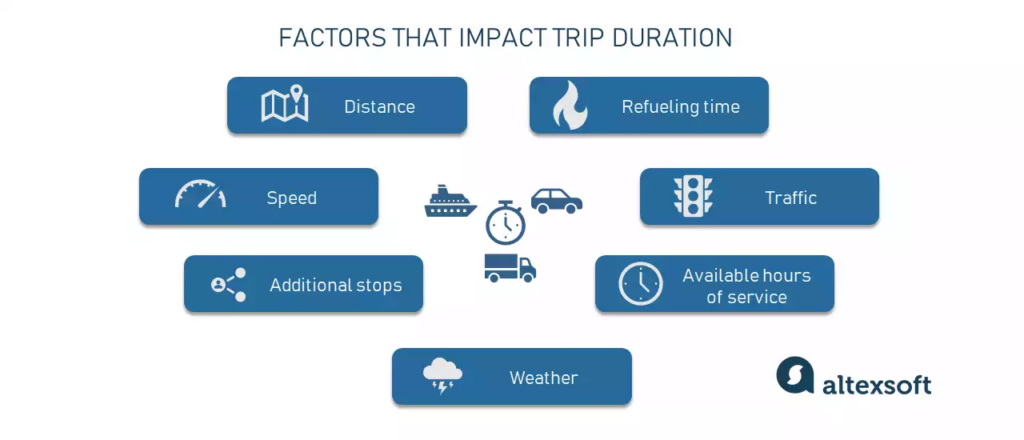
Below are multiple factors that can impact ETAs:
Route distance between origin and destination
Truck average speed
Number and duration of intermediate stops
Weather conditions
Time needed for refueling
Traffic
Available hours of service and mandatory rest periods for truck drivers, and so on (not to mention all sorts of emergency situations).
If you have any questions or need help calculating your ETA, reach out to your DM!
New DYK Quiz
For fun, we created these “Did you know” Quizzes to test your trucking knowledge. Each quiz will stem from the previous “Did you know” Article. You can complete the quiz by visiting the link below:
Maintenance Campaign – Importance of Pre & Post-Trips
Conducting thorough pre and post-trip inspections will identify the tractor-trailer systems and parts are working, failing, and/or missing.
A regimen of a complete pre-trip at the beginning of the day, a walk-around inspection every time the vehicle is parked, and a post-trip at the end of the day is the best practice. This will help maintain your equipment and help avoid over-the-road breakdowns, ultimately keeping you safe.
An easy way to earn 200 Pro-Points!
Complete the following campaign activities by June 30th, 2023, and receive 200 Pro-Points!
As temperatures rise with the arrival of warmer months, we would like to shed light on the significance of Idle Free – APU Systems and share tips on how to maintain a cool temperature in your cab.
What is the APU System?
The Auxiliary Power Unit System, also referred to as the APU System, is specifically created to regulate the temperature in your cab. On average, it can run for 8-10 hours. Additionally, our APUs are equipped with their own inverters to provide power.
Purpose of APUs
The purpose of an APU is to maintain the temperature of the cab without having to idle your truck. Idling your truck not only wastes fuel but can also cause damage to the engine and emissions systems.
Here are some tips for maintaining the temperature in your cab.
One hour before you stop, turn on A/C in both the front and sleeper berth of the truck to cool it down. Once you stop, turn on APU, and your truck should remain cool during your off-hours.
Crack your windows – If you’re going to park your truck for a while, and you’re sure it’s not going to rain, roll down your windows to keep air circulating through the vehicle.
To beat the heat, consider parking in a shaded area or positioning your windshield facing east if possible.
Keep yourself cool! Stay hydrated and dress appropriately.