Categories
Announcement & Hot Topics Safety

Real Advice from the Road: What Every Student Driver Should Know

At MK, we’re proud to welcome a new wave of Student Drivers. As you begin your career behind the wheel, there’s no better way to prepare than by learning from those who’ve already traveled the road ahead.

We asked some of our experienced MK Driver Trainers to share the advice they always pass along to their students. From safety tips to mindset shifts, here’s what they had to say:

Wes Thomas – Practical, Real-World Wisdom

I’ve got a few go-to phrases I like to share with new drivers:

“When in doubt, don’t pull out.”

If a move feels risky, don’t do it. Better to wait than to cause an accident.

“Keep the G’s to an ease.”

Take turns and stops slowly and smoothly to avoid shifting your load.

Midday fatigue hits us all. A tip?

“Chewing gum has actually been shown to improve alertness more than coffee, loud music, or rolling your window down.”


Charity Battley – Integrity Behind the Wheel

“It’s too easy to do the right thing the first time — and every time!”

Charity encourages new drivers to stay focused on professionalism and not to be swayed by the shortcuts they might see others take:

“You’ll see drivers out there doing the wrong thing — don’t be tempted.”

Her advice is clear: doing the right thing consistently is not just about safety, it’s about who you are as a professional.


Ken Newby – Stay Aware, Stay Safe

Ken has a wealth of hard-earned advice, and it all centers around one thing: vigilance.

  • Secure the Trailer: Always check your kingpin — especially after a break. Some drivers have had it pulled as a prank.
  • Check the Seal: For food-grade freight, confirm the seal number before you roll.
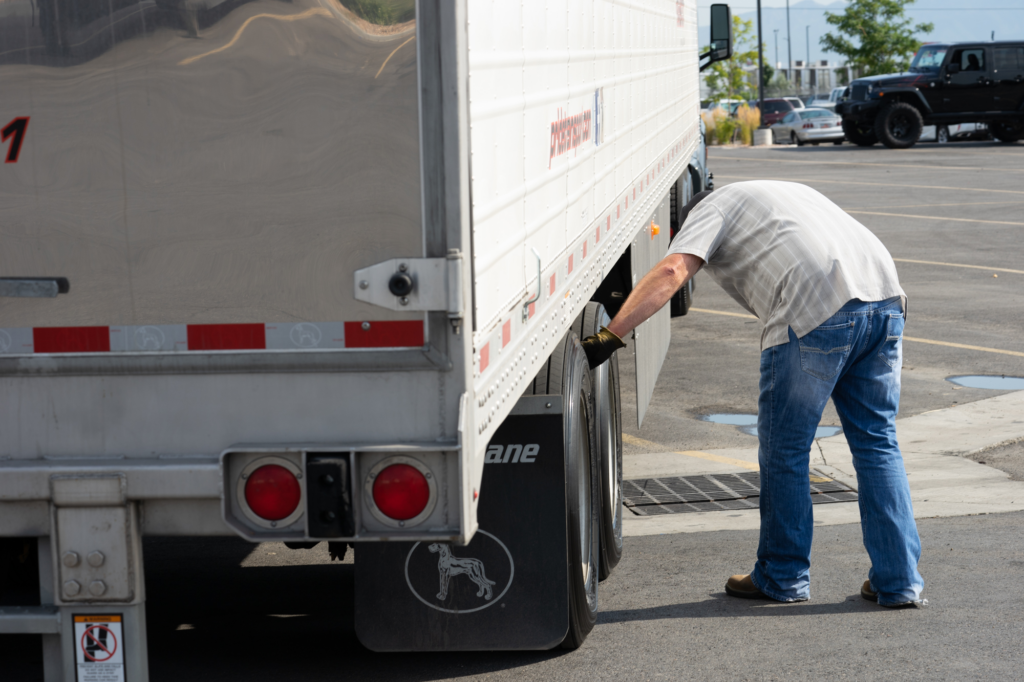
  • Inspect Often: Pre-trips protect you from being blamed for damage. Even quick stops deserve a walk-around.
  • Don’t Be Rushed: If you’re backing up, take your time. Watch out for untrustworthy “helpers” who may try to mislead you.

·


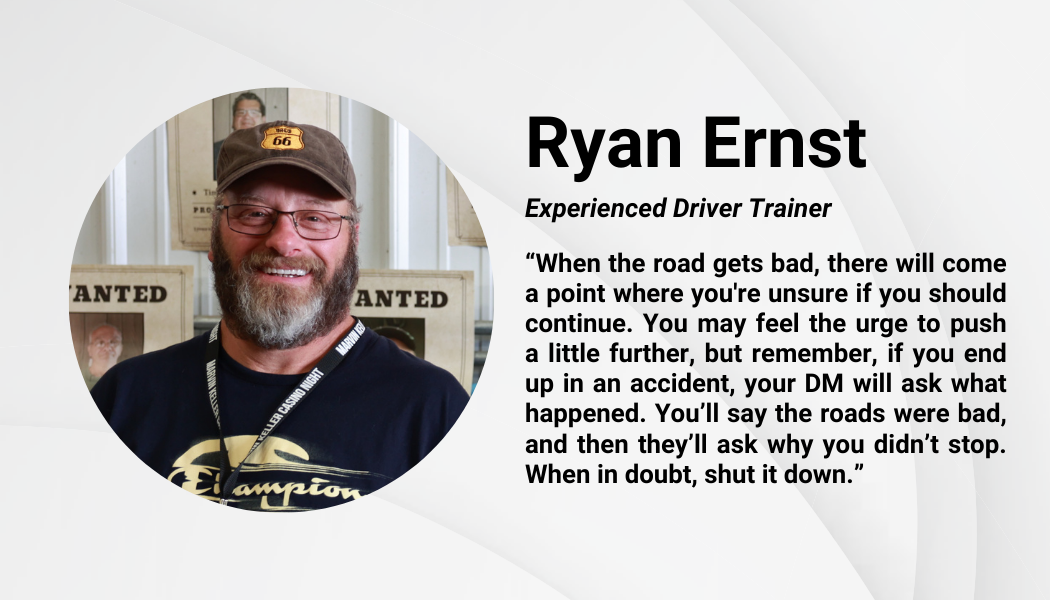
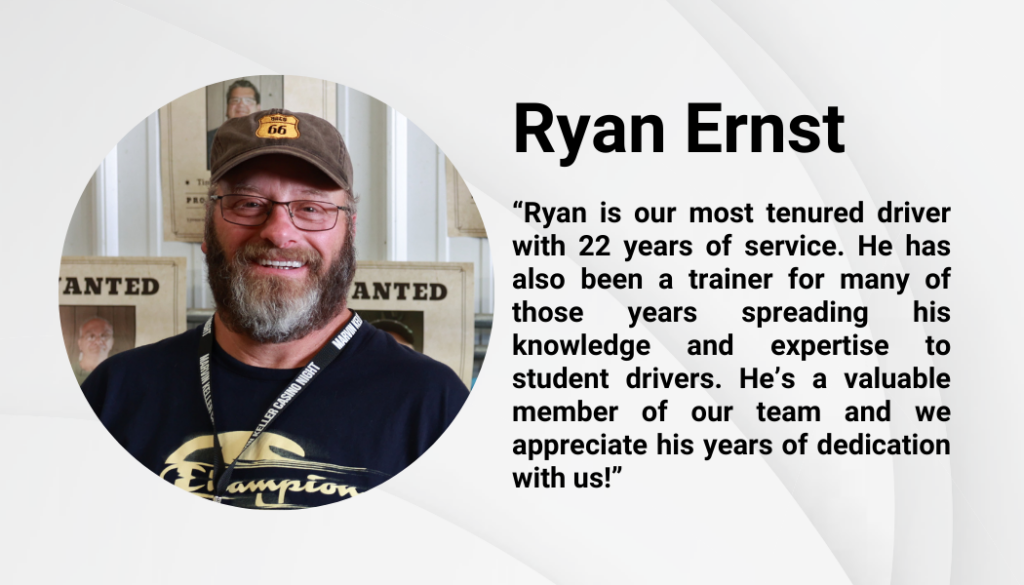
Ryan Ernst – Read Every Sign

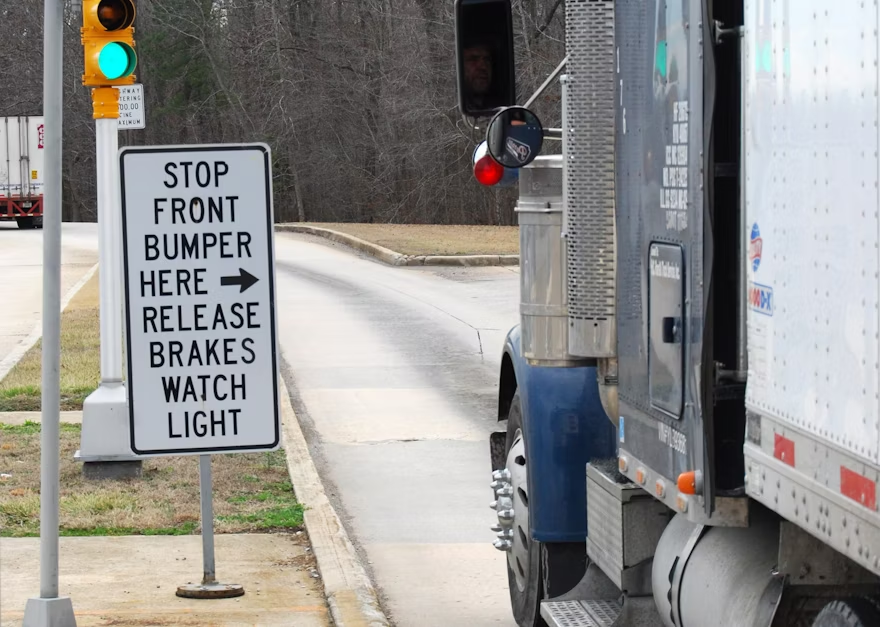
“Pay attention to every sign — especially the ones just for trucks.”

Ryan reminds new drivers that truck-specific signage is everywhere. From low clearances to weight limits, train your eyes to catch what your car-driving days may have missed.


Brian Doughty – One Day at a Time

“If you make a mistake, it’s not the end of the world. Learn from that mistake.”

Brian offers an encouraging reminder to all new drivers: Perfection isn’t required, but a willingness to learn is. If you mess up today, take the lesson with you and move forward. Every day is a fresh opportunity to be better than yesterday.


Travis Bartels – Never Rush the Important Stuff

“It doesn’t matter how long it takes you to back into a spot. Ensure that it’s done safely and get out and look as many times as you need to accomplish the back safely.”

Backing isn’t a race — it’s about accuracy and safety. Travis reminds students that taking your time shows professionalism, not weakness.


Greg Allsop – Habits That Make a Difference

A seasoned driver and Smith System Trainer, Greg shares habits that set professionals apart:

  • GOAL: Always Get Out And Look when backing. Check both sides for the safest angle.
  • Verify the Coupling: Don’t just rely on the tug test. Use a flashlight to inspect the fifth wheel, locking jaw, trailer plate, and handle.
  • Smart Trip Planning: Use downtime to map out multiple stop options. Aim for one ideal stop and backup locations every hour to reduce stress.
  • Coordinate Breaks: Pair your 30-minute break with fueling, loading, or unloading to maximize your time.
  • Trip Inspections: Use your 10-hour break to fix issues and avoid delays the next day.

Jeremiah Brubaker – Safety First, Always

Jeremiah’s advice is simple, yet essential:

  • “Use G.O.A.L. every time you back.”
  • “On downgrades, you can always gain speed — but can you stop safely?”
  • “Take as many pull-ups as needed.”
  • “Know your limits.”
  • “Always keep food and water in the truck in case of breakdowns.”
  • “And most of all — be safe and have fun.”

·


To Our New Drivers:

Starting a new role as a Student Driver at MK is an exciting step, and it comes with a responsibility to yourself, your team, and everyone you share the road with. Their advice isn’t just about turning a wheel — it’s about becoming a professional.

To all our new drivers: We’re glad you’re here. You have a strong team behind you, and we can’t wait to see the great things you’ll accomplish.

Categories
Safety

Roadcheck Inspection Blitz Starts Tuesday, May 13

This year’s annual Roadcheck inspection blitz begins on Tuesday, May 13, 2025. Inspectors across North America will be focusing on two key areas:

  • False log books – especially misuse of Personal Conveyance (PC) and Yard Move (YM)
  • Tire condition and compliance

Please take a few minutes to review this article and video for more details.

Categories
Announcement & Hot Topics Safety

Stop Driving Like a Robot: The Secret to Avoiding Complacency on the Road

Some of the most meticulous, careful drivers are rookies. They’re not as skilled and they’re not as comfortable on the road, but they’re focused on everything they need to do to safely drive the truck. Because of that hyper focus, they are much less likely to have a critical crash than a veteran driver. Sound hard to believe? The vast majority of critical crashes involve drivers with more than five years of experience. Why do you suppose that is? It’s because rookies are still learning, their jobs haven’t become familiar, and they haven’t become complacent.

Safety complacency is the tendency to overlook repetitive tasks necessary for safe operation of the vehicle. When you do a job for a while, you gain familiarity and you form normal patterns of behavior. Eventually, this behavior becomes second nature and you can repeat it almost without actively thinking about it. While routines can be very helpful, they can also cause safety hazards. When you become comfortable, you don’t tend to pay as much attention. You are more prone to distractions, such as reaching for a phone, flipping through the radio stations, watching the scenery, etc. When you let your guard down, you open yourself up to mistakes.

There are ways to prevent complacency by making small changes in your workday.

  • Make slight changes to your routine, do your pre and post-trip inspection duties in a different order than usual or do MORE than necessary. Break at a truck stop you haven’t used before. Most drivers have favorite lanes they like to run and different parts of the country they prefer. Ask for a trip somewhere you haven’t been before. Take familiarity out of the equation; break your normal patterns. While it’s normal for drivers to want to be familiar with their routes, that can create complacency.
  • Make pit stops. If you’re feeling distracted or tired, stop somewhere and walk, stretch, or get something to drink. Do anything that will break the monotony.
  • Learn something new; do regular ongoing safety training. Safety is an integral part of company culture and is not to be compromised.
  • Be open to new technology. Dash cams can now use AI to detect if a driver looks distracted or tired. These technologies may seem intrusive, but they can save lives.
  • Be willing to accept new challenges. Not being challenged leads to complacency and decreased responsiveness to environmental stimuli.

Critical crashes have ended careers and bankrupted trucking companies. A few years ago an MK driver had a critical crash due to complacency. The fallout from something like that takes a long time to dissipate. Please pay attention, avoid complacency, and avoid becoming a statistic. We want everyone to arrive at their destinations and return home safely. Don’t drive with your brain on autopilot.

Categories
Announcement & Hot Topics Safety

Severe Wind Advisory- IL

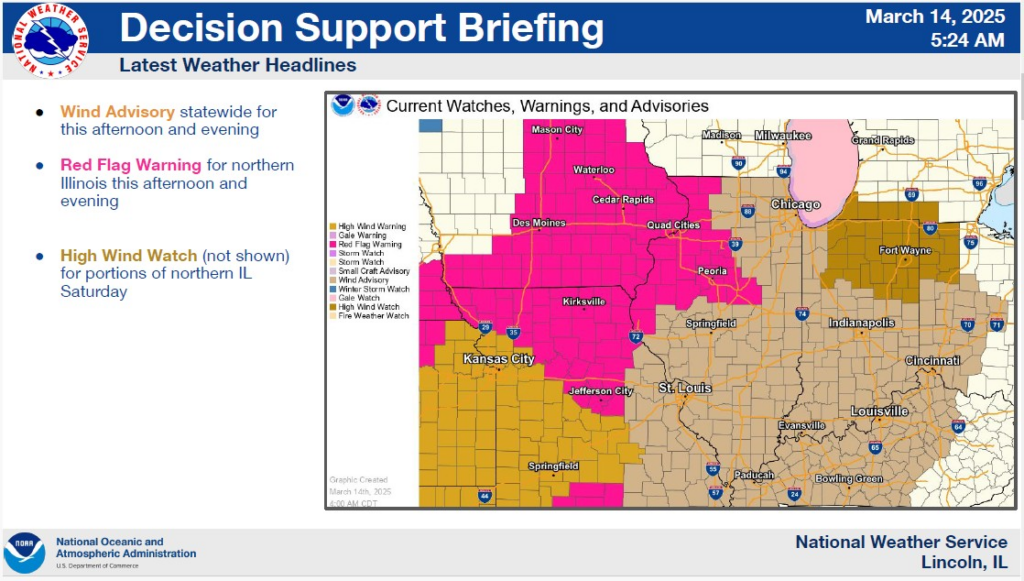
🚨 Severe winds are expected this weekend! 03/15/25 🚨 If you’re traveling through the affected areas, please stay alert and shut it down, especially if you’re hauling an empty trailer! Stay safe out there!

IDOT Facebook

Categories
Announcement & Hot Topics Safety

What is a CSA score—and how does it affect me?

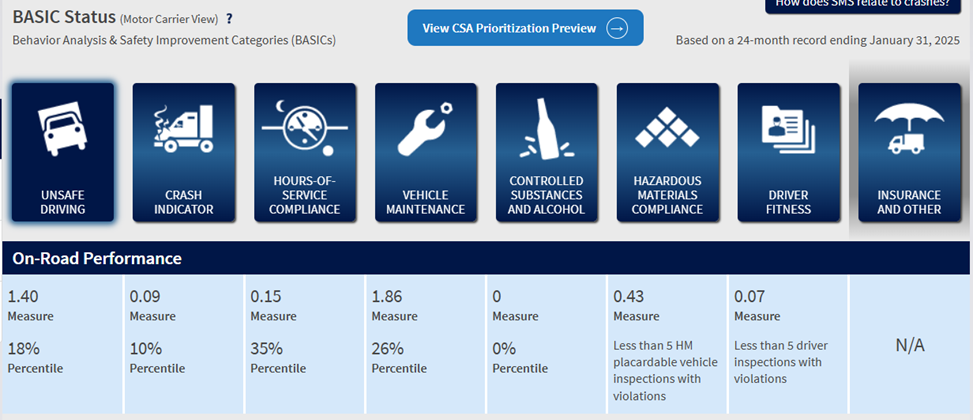
CSA stands for Compliance, Safety, Accountability. It is the safety compliance and enforcement program of the Federal Motor Carrier Safety Administration (FMCSA) that holds motor carriers and drivers accountable for their role in safety.  Below are Marvin Keller’s current CSA metrics:

How are CSA scores calculated?

CSA scores are based on a carrier’s DOT Inspections. Every violation (citation or warning) noted on a DOT Inspection results in points added to the carrier’s CSA score. These violations fall into one of eight categories pictured above.

  • Each violation is assigned a point value ranging from 1 – 10 with 10 being the most severe
  • CSA Scores are updated every 28 days
  • Points remain on a company’s CSA Score for 24 months
  • Low CSA Scores = Safer Operation = Fewer Inspections

The Impact of CSA Scores: A higher CSA score indicates more violations, which can lead to more scrutiny, while a lower score signifies a safer operation.

Benefits of good CSA score:

  • Strong Reputation: CSA scores are publicly accessible, meaning potential customers can view a carrier’s safety record. With a good score, they can trust that our fleet will deliver freight safely and on time. Low scores help us stand out among competitor carriers and can lead to more business opportunities.
  • Fewer Inspections & Audits: The fleet will face fewer inspections and DOT audits – allowing us to spend more time on the road and less time at scales.

What can you do?

Honestly reflect and assess your safety behaviors:  

  • Do I skip inspections?
  • Do I tailgate?
  • Do I frequently pass or change lanes?
  • Do I engage in speeding and aggressive driving? 
  • Where can I be more cautious and careful?
  • Am I managing fatigue and getting proper rest?
  • What do I need to do to improve?

At Marvin Keller, we pride ourselves on having top-tier CSA scores. This is a direct reflection of the safety-conscious drivers on our team. Keep up the great work! Here are some ways you can continue contributing to our success:

  • Drive safely and follow the SMITH System Principles
  • Conduct thorough Pre / Post-Trip Inspections
  • Report any defects or potential safety risks before you hit the road

Your commitment to safety not only contributes to our excellent CSA scores but also keeps our roads safer for everyone. Let’s continue to work together to maintain our reputation as a trusted and reliable carrier!

Categories
Safety

Winter Driving: Pro Safety Tips from a Seasoned Pro

Snow, ice, and sleet can pose a serious challenge. To ensure safe and efficient travel in winter weather conditions, here are some safe truck driving practices from Ryan, an experienced driver trainer, to use:

1. Be Prepared

In case of an emergency or breakdown, keep a winter survival kit that should include:

  • Shovel & ice scraper
  • Bag of sand, salt, or litter
  • Jumper cables
  • Flashlight
  • A high-visibility jacket
  • Warm blankets, extra clothing, hat and gloves
  • Extra food and water
  • Stay updated on weather/road conditions

2. Inspect your Truck

Perform a visual, hands-on inspection. Make sure to check:

  • Tires – wear, pressure, & balance
  • Batter power & the charging system
  • Wiper Blades
  • Fluids
  • Lights
  • Your exhaust pipe to ensure it’s clear of snow
  • You have sufficient fuel
  • Defrosters are functional

3. Idle Free Heater

Our trucks have shore power to charge the batteries and run the Idle Free Heater, keeping the coolant warm and providing heat during idle times. With a full charge, the heater can run for about a week. If you can’t plug in, turn on the heater without the fan to use it as a block heater.

The main disconnect switch is by the driver’s seat. If you’ll be away for more than a few days, turn off the switch to cut power, but the heater will still run. For best performance, turn on the Idle Free at least once a month.

4. Slow & Steady Wins the Race

Let’s face it, driving through the snow is stressful no matter the vehicle, and while getting to one’s destination (on-time) is the goal, it’s true what the adage says. “Slow and steady wins the race.” Do not feel the need to hurry.

  • Maintain a safe distance & avoid tailgating
  • Trucks need 7-14 seconds of following distance and about 40% more stopping time compared to cars
  • Slow down – Do not speed or slam on brakes when driving through heaving snow or ice.

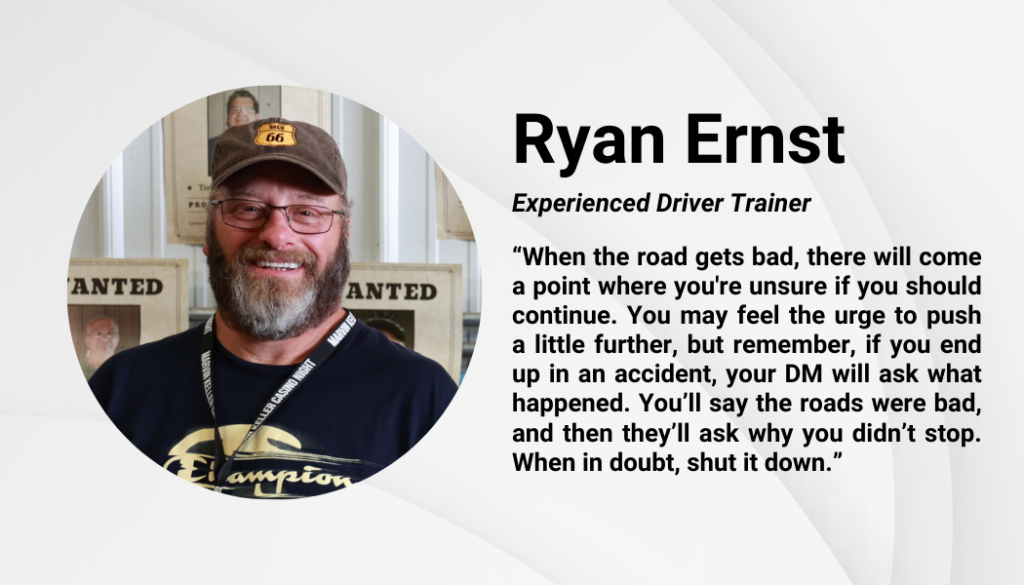
As Ryan advises:

Overall, driving in winter weather requires careful preparation, inspection, and caution to ensure your safety. By equipping your truck with the proper survival kit and regularly checking your truck you’re better prepared for any challenges. Prioritize safe driving practices, such as maintaining a safe following distance and avoiding sudden maneuvers. Always remember, no load is more important than your safety. If the weather conditions are too severe, don’t hesitate to shut it down.

Categories
Announcement & Hot Topics Safety

Key Road Preparedness Tips from a Seasoned Trucker

Life on the open road can be full of surprises, and for truckers, these surprises can sometimes lead to challenges and uncertainties. From sudden weather changes to unexpected mechanical issues, staying prepared for emergencies is crucial for ensuring both your safety and a successful journey. Here are some tips from Ryan, our most tenured driver with 22 years on the road, to help you be prepared:

Stock Up on Essentials:

  • Food and water. Always carry ample food and water. You might find yourself stranded away from stores or restaurants due to breakdowns or severe weather.
  • Clothing:  Pack extra clothing suitable for various weather conditions, such as raincoats, waterproof boots, and work gloves. In winter, include additional winter coats, overalls, or bibs. Layering with hoodies and long-sleeve shirts is also a good idea.
  • Cash: Keep some cash on hand; you never know when it might come in handy.
  • Electronics: With our reliance on electronics, carrying a power bank is a good idea for emergencies.

Items to Keep in Your Truck:                                                                         

  • Oil, Coolant, & Washer Fluid: Carry a gallon of oil, washer fluid, and a couple of gallons of extra coolant to address minor issues or top-ups.
  • Winter Gear: For winter driving, bring salt and/or cat litter, a small shovel, and a bottle of rubbing alcohol to prevent frozen air lines. Before winter arrives, make sure your truck is equipped with new wiper blades.
  • Tool Kit: Keep a basic tool kit with wrenches, screwdrivers, and pliers for minor repairs. Including duct tape and a flashlight can also be very helpful.

Pre-Trip Inspections:

  • Conduct thorough pre-trip inspections to ensure your equipment is in working order, minimizing the risk of roadside issues.

These are just a few tips and tricks to keep in mind. No matter if you’re a seasoned pro or just starting out, it’s always good to be prepared for any type of emergency.  By staying proactive and ready, you’ll navigate the road with greater confidence and safety.

Categories
Performance Recognition Safety

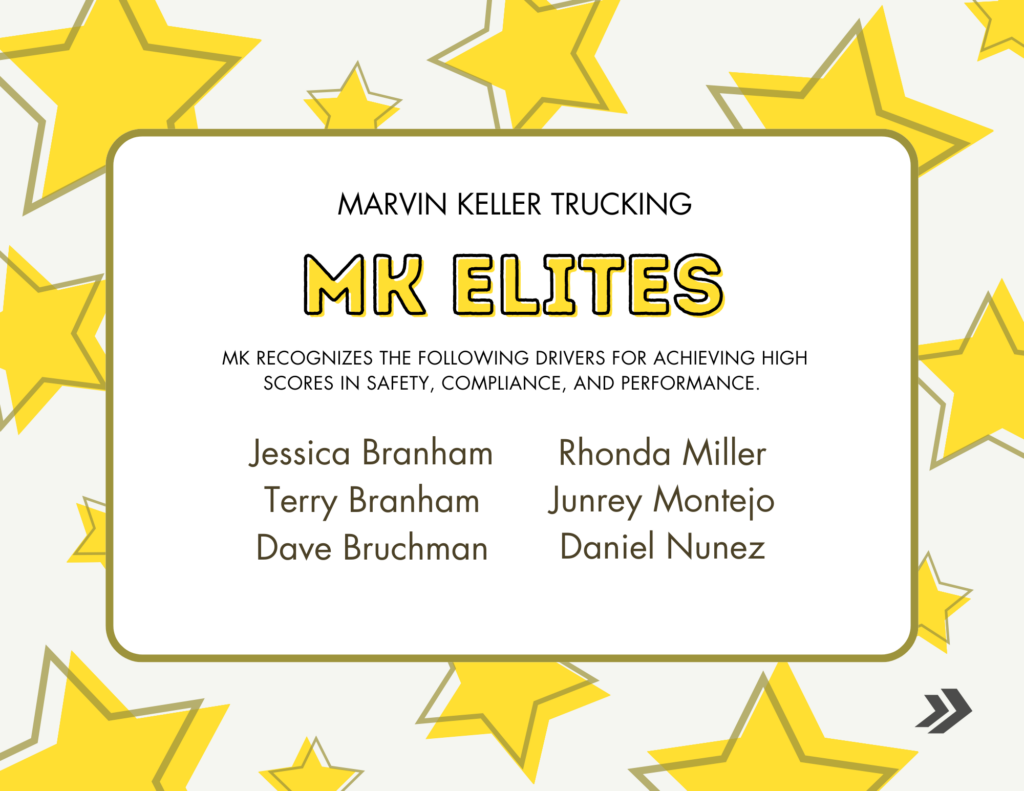
MK Elites – Q2 2024

We would like to present the MK Elites for April to June 2024! Congratulations to the following drivers! Your dedication to prioritizing safety and upholding these high standards is deeply valued.

  • Jessica Branham
  • Terry Branham
  • Dave Bruchman
  • Rhonda Miller
  • Junrey Montejo
  • Daniel Nunez

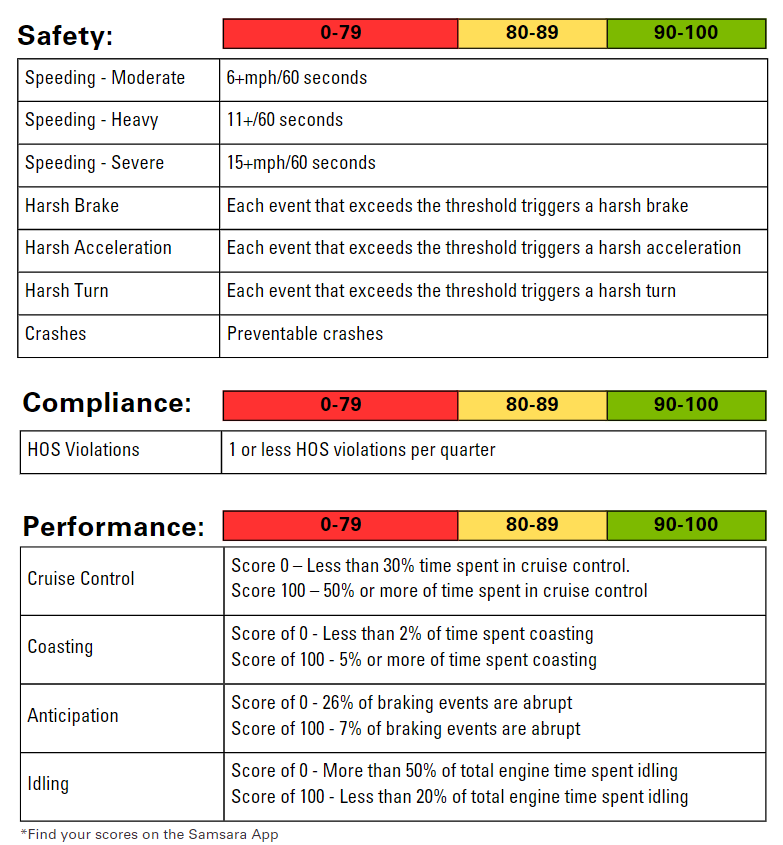
The Pro-Formance Scorecard is designed to evaluate your driving skills based on 12 different risk factors. Breaking down your performance into specific categories helps you identify the areas you need to improve. These factors are divided into these sub-categories: Safety, Compliance, and Performance, each rated out of 100. The goal is to score green in all three categories to achieve MK Elite Status!

A driver can earn 1,000 Pro-Points for each green score in Safety, Compliance, Performance, and MK Elite (green in all three categories). This means you can get up to 4,000 Pro-Points!

You can find the Safety Scorecard in the Resource Library.

Keep up the great work and strive to improve your driving performance! We’re here to help in any way we can!

Categories
Announcement & Hot Topics Safety

Mastering Load Safety: The Crucial Role of Pre-Trip Inspections

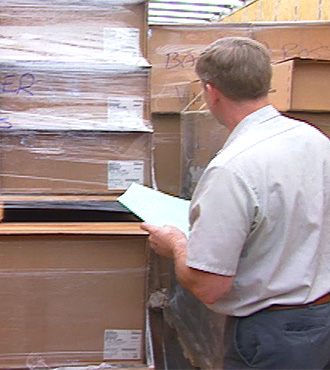
Marvin Keller is in the business of hauling freight. In order to be profitable, freight must make it to the correct location, intact, while following industry regulations. Everything you need to make sure your load is in order before heading out can be checked during your pre-trip inspection. The safest drivers follow these pre-trip checks:

  • Scale your load. Overweight loads can cost a lot of money. Besides the cost of having to go back and get reworked, if you get pulled over and fined and/or put out of service, the costs add up. It also increases our CSA scores, making you more likely to get pulled in for inspections.
  • Visually inspect your loads. Ensure they are loaded and secured properly for transport. Just as all hazmat loads should have at least two straps on the back, every load should be checked to make sure it’s loaded and secured to prevent load shifting. Load shifts can cause product damage, or even worse, a trailer rollover. Safety is the utmost priority and must be considered before everything.
  • Check your bills before leaving the shipper. This is the simplest of activities that can prevent many problems. Make sure your bills have the correct destination, that the PO numbers, seal number, and trailer number match, and that the product on the bill is what you’re supposed to have. If your load is hazmat, ensure the bills are marked and you have the correct placards on the trailer.
  • If you’re hooking a preload, always check to make sure you have the correct trailer number. Hauling a trailer 800 miles only to find out you’ve hooked the wrong trailer because the bill wasn’t checked before leaving is a complete loss of revenue on the load.

Customers expect us to deliver freight timely and in good condition. Following the simple steps above will go a long way to making sure we deliver on those expectations. If you have issues with your load or are concerned that it isn’t loaded properly or can’t be hauled safely, reach out to your Driver Manager. Safety is a value at Marvin Keller.

Categories
Safety

Updated Hazmat Permit

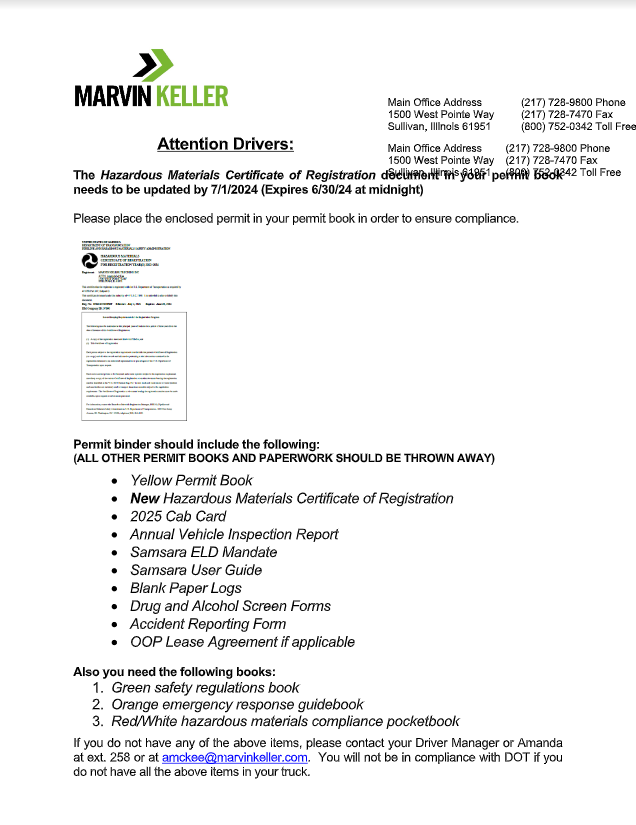
The Hazmat Permit in your truck’s yellow permit book is set to expire on June 30, 2024.

If you park at the terminal the shop will put the new permit in your truck. If you do not park at the terminal you will be receiving the new permit in the mail. Please make sure you place it in your permit binder before July 1st in order to ensure compliance.

We will also upload the new permit to the Resource Library in the Drive MK app.

If you have any questions or will not be home before July 1st to get the permit please let us know.

Hazmat Permit 2024