Categories
Announcement & Hot Topics

Embracing Conflict is Good, and Here’s Why

Think back to a place you’ve worked where everyone got along and everyone agreed about how everything should be done. Of course, you won’t be able to come up with any such place as it doesn’t exist. Even the most high-functioning and affable teams experience conflict, and that conflict is necessary for growth and improvement. When team members keep concerns, ideas, and issues to themselves, the workplace becomes stagnant. Companies benefit from having team members with a diverse set of skills who can think independently and bring different viewpoints to the table; it helps disrupt groupthink and foster creativity, allowing for better problem-solving capabilities.

Effective conflict resolution results in building trust, promoting open communication, and reaching compromise. The goal is to improve work processes in a way that results in solutions that are advantageous for all parties. Here are some guidelines for using conflict to your team’s advantage.

Always make constructive conflict the goal, as opposed to destructive conflict.

Constructive conflict involves a focus on mutual understanding and solutions. It aims to build understanding through open and honest communication and a resolving of disagreements through mutually beneficial outcomes. It is solutions-oriented and focuses on facts and resolutions. When everyone feels that their ideas have been considered and addressed, it results in a win-win situation. This takes flexibility and creativity, requiring each team member to put the needs of the team above their own, which is not always easy.

Destructive conflict is characterized by personal attacks, frustration, a lack of open communication and a focus on “winning” instead of bettering the team. Results of destructive conflict can include anger, bitterness, or lingering resentment.

When you embrace constructive conflict instead of avoiding conflict altogether, you make more balanced and informed decisions and encourage idea generation and innovative thinking. Being able to see a problem from different angles helps to generate unique solutions to problems.

Open Communication Builds Trust

Trust among team members is built when they are transparent and there is an open forum for the sharing of ideas and opinions. This involves having a mutual respect for the skills of others, a focus on the merits of their ideas and an acknowledgement and appreciation for each team member’s contributions. Open communication requires using specific, detailed language as opposed to vague language or generalizations. Brainstorming, collaboration, and finding a common ground/goal all result in positive growth.

Being a fairly “solo” profession, truck driving doesn’t always include frequent team interactions, but you are part of a team in the sense that you are relying on others in the organization to do their jobs so you can do yours. When your job relies on others, conflicts do arise, even when you’re not directly interacting. Further, you must interact with your driver managers, maintenance personnel and others. This is why it’s so important for team leaders to stress an open work environment for the flow of ideas. Silent resentment helps no one and leads to decreased team performance.

Always remember that MK is here to succeed and in order to do that, all members of a team must be able to work toward that common goal. With that in mind, if you are ever in a situation you feel needs addressed, please reach out to your Driver Manager or Supervisor. We are here to help resolve problems and improve.
Categories
Announcement & Hot Topics

Are You a Hard Worker or a Lazy Employee?

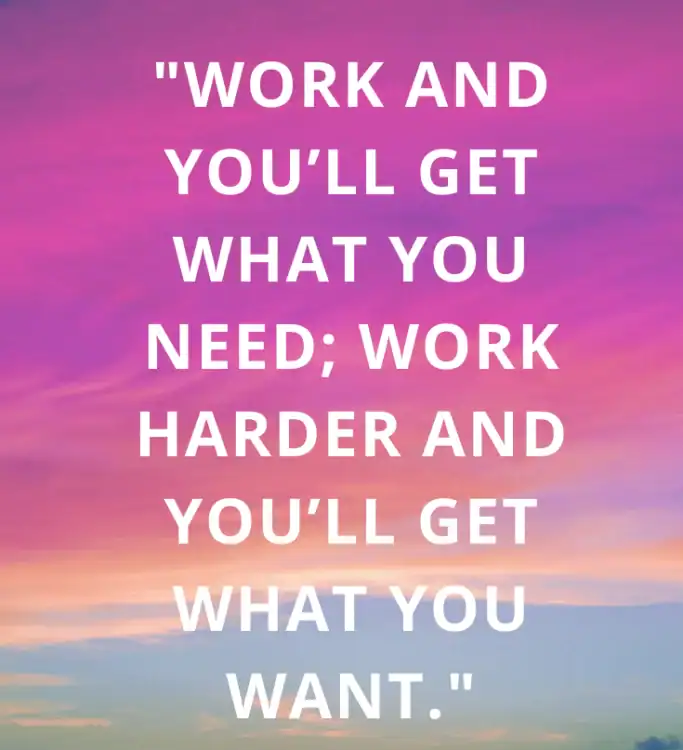
If you want to know the secret to success, here it is: hard work and self-discipline. If it was easy to succeed, everyone would do it. Contrary to what some may think, people don’t become successful by accident. You don’t have a great career by chance, or a stroke of good luck or even an innate ability. While having good luck and talent may help, they are the exception, not the rule. Here we will go over some of the ways you can create and build upon a culture of hard work that will have an impact on your professional life as well as your personal life.

Why Hard Work Matters:

It builds discipline and focus. Self-discipline can be defined as having control over your emotions and behavior, but it also includes control over your impulses, energy, time, and health. This is not something you gain overnight; it takes practice. You have to make self-discipline a habit. Set goals, make a plan, repeat.

It creates opportunities. Working hard toward your future success means we must focus on long-term fulfillment of our goals. This means we’ll often have to forgo the instant gratification that has become so commonplace in today’s world. When you build a reputation as a hard, disciplined worker, you open yourself up to new possibilities as your employer will see your potential.

If you’re not the kind of person who is inherently motivated, it’s ok. Most people have to learn how to be disciplined workers. Here are some ways to make small changes to increase your productivity without being overwhelmed. Making the effort now will almost assuredly bring later success.

  • Create a plan. Know what goals you want to achieve and figure out how to achieve them, then stick to that plan. We’re going to fail at things; it’s in our nature. Thomas Edison said, “I have not failed. I’ve just found 10,000 ways that won’t work.” Persistence is the key to success.
  • Identify the areas where you struggle: Are you someone who has trouble finishing what you start? Do you talk yourself out of making changes for fear of failure or difficulty? Figure out what is holding you back and figure out a plan to overcome those challenges.
  • Write things down and set reminders. How many times have you known that you had something you were supposed to do and you don’t remember it so you just do nothing instead? When you’re starting a new routine, it’s not yet a habit; being organized can help you from getting distracted.
  • Set small, achievable goals: Small, regular wins will help keep you motivated and those successes will gradually build to something greater.
  • Learn from failures and setbacks. See the opportunity in failure, find a different way forward, and try again.
  • Find a support network. There are always people out there who can help you: your coworkers, friends, mentors. Find someone who has achieved what you strive to and pick their brain.

Now that we’ve explored the potential of hard work and discipline and how to achieve it, let’s briefly explore the antithesis to success: laziness. Laziness at work can manifest in the following ways.

Consistent Tardiness and Absenteeism – Frequently calling in sick or for other dubious reasons shows a lack of commitment to your work. It sends a message to your employer that being reliable is not important to you.

Lack of Proactivity and Initiative – This includes inaction or waiting to be told what to do instead of working to find solutions to problems. Adaptability and problem-solving puts you on a higher level.

Making Excuses and Shifting the Blame – Not accepting responsibility for failures and blaming coworkers or external factors.

Minimal Effort/Output and Avoidance of Additional Responsibilities – Poor quality of work, frequent mistakes, a lack of effort and performing at the “bare minimum.” Just getting by with no attempt to go above and beyond or help others to complete tasks. A chain is only as strong as its weakest link. Always remember that everyone else in the organization is pulled down if you don’t pull your weight.

Excessive Breaks and Wasted Time – Poor management skills and a lack of motivation can be a couple of reasons for this. Another could be a lack of regard for the well-being of your employer. Keep in mind that if the company isn’t doing well financially, they many not have a need for you.

Hard work and discipline are integral to your personal success as well as the success of the company. Your achievements help you build skills, self-confidence, and resilience. Hard workers have a greater sense of pride and personal responsibility and have greater potential for self-improvement. MK is always here to help you achieve your career goals.

Categories
Announcement & Hot Topics

Dropping Trailers – GP in Shelbyville

We were informed that we are dropping trailers in the wrong location. Some of our trailers were dropped in their driveway, which only allowed space for one truck to enter or exit at a time. Please be mindful of where you drop trailers to avoid blocking access. GP has advised that if the lot is full, you should check with the jockey for instructions—trailers may need to be placed in alternate lots.

Categories
Announcement & Hot Topics

Are You Unprofessional At Work?

I think most people have the general belief that they behave professionally in the workplace. After all, why would anyone consciously choose to behave poorly? Many people try to self-correct if they notice themselves doing something unprofessional. But people are often not aware of their own destructive behaviors. As they say, sunlight is the best disinfectant, so let’s shine a light on some of those traits and behaviors that are destructive and unprofessional in the workplace.

Anger/Abrasiveness

  • We all deal with frustrations at work sometimes; it’s unavoidable. What is avoidable is letting those frustrations and anger get out of control. Exhibiting poor emotional control harms your professional reputation and lowers team morale by making you difficult to work with. When stressful situations arise, take a break and calm down before reacting. Always react with your brain, not your emotions.
  • Anger on the road can be expressed as Road Rage and leads to incredibly dangerous situations that can result in major injury or death. There are unsafe, terrible drivers all over the road. One of the downsides of being a professional driver is being in the thick of it. Always resist the urge to retaliate or drive unsafely in turn.

Insubordination

  • This includes disobedience of orders from superiors and a refusal to do assigned tasks for no legitimate reason. It also includes ignoring safety rules and hours of service and compliance regulation. Ignoring calls from managers and then pleading ignorance is not acceptable.

Unreliability/Poor Work Ethic

  • This is perhaps one of the most obvious signs of a lack of professionalism. Showing up late shows poor time-management skills and a lack of respect for others’ time. Being on time and working hard is one of the most fundamental indications of professionalism.
  • Avoid taking shortcuts. Taking shortcuts in trucking can be a major safety issue. Always do thorough pre and post trips and ensure your rig is not a danger to you or anyone else on the road. Get out and look at shippers and receivers. Plan your trip in advance. An ounce of prevention is worth a pound of cure.

Bad Attitude/Negativity/Disrespect/Rudeness

  • Displaying these traits makes you seem combative and indicates to coworkers that you are not a team player. Never bully, mistreat, or threaten your coworkers or customers. Marvin Keller takes a hard red line with this behavior and it will not be tolerated.

Neglecting Personal Hygiene/Dressing Inappropriately

  • Let’s face it: no one takes seriously the person who wears dirty, torn clothes or smells like they haven’t showered in a week. It’s exudes a lack of respect for those around you as well as customers, shippers, receivers, and your employer.

Refusing to Take Responsibility

  • Professionals take responsibility for both successes and failures. When you don’t take responsibility you appear unwilling to learn and grow. Furthermore, attempting to transfer blame for mistakes to others diminishes your credibility. Everyone makes mistakes; professionals use them as a learning opportunity.

Dishonesty

  • Being honest and transparent is what builds trust. Even lying about small things or exaggerating a situation can affect your reputation and your employer and coworkers will be distrustful of you. Honesty is the only policy in a professional organization.

Highlighting and enforcing professional behavior within an organization begins with clearly-articulated expectations. On our website is the MK Employee Handbook where our expectations and requirements are laid out. The link is included below. Feel free to reach out to your manager with any questions or concerns.

https://www.marvinkeller.com/_files/ugd/df9308_4f419c03b8d94b589ac2317817258099.pdf
Categories
Announcement & Hot Topics

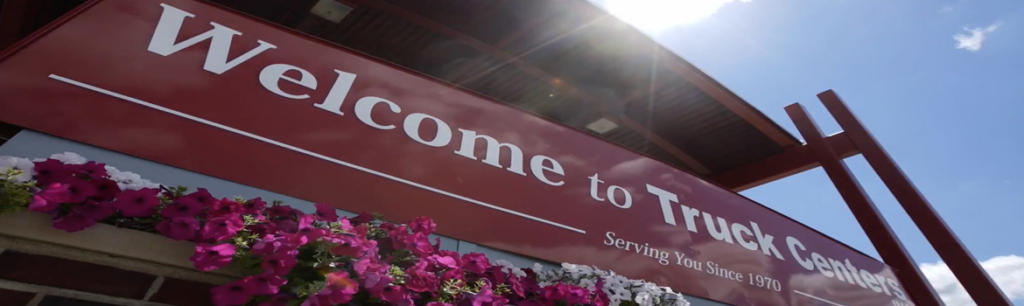
More Than a Vendor: How Truck Centers Became an Indispensable Partner

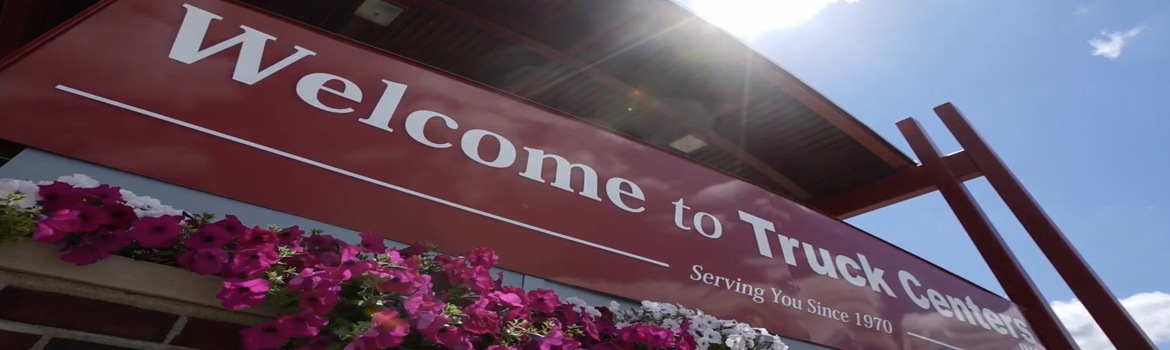
When a Freightliner breaks down, we don’t call just any service center—we call Truck Centers. For over 15 years, Truck Centers has been our trusted partner, keeping our Freightliner trucks moving and drivers on the road without missing a beat.

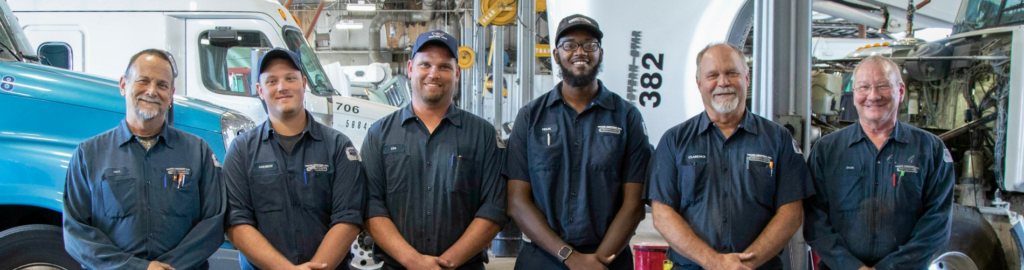
From day one, Truck Centers has gone above and beyond to support our operations. Whether it’s picking up and delivering our Freightliner trucks or making multiple part deliveries in a single day when the need arises, they’ve consistently stepped up to meet our evolving needs. Their commitment to fast, efficient repair turnaround times at their on-site location helps minimize downtime for our drivers, a critical factor in our business.

Most recently, Truck Centers visited our terminal to perform a software update. This update enabled our in-house technician, Grady, to more easily use diagnostic tools directly in our shop, enhancing our ability to quickly identify and address issues with our Freightliner trucks. The result? Faster troubleshooting, fewer delays, and meaningful savings in both time and resources.

But what makes this relationship truly special goes beyond just service. Truck Centers consistently supports our team in ways that reflect their character and care. Their generous donations to our Driver Appreciation events help us recognize the hardworking individuals who make our operations possible. And each holiday season, they provide lunch for the team—a small gesture that speaks volumes about the relationship we’ve built.

Thanks to their unwavering dependability and generosity, Truck Centers is more than a vendor—they are a true partner. Together, we’re not just maintaining a fleet—we’re building a legacy of excellence. Here’s to many more years of working together.

Categories
Announcement & Hot Topics Customer News

High Praise from KBX

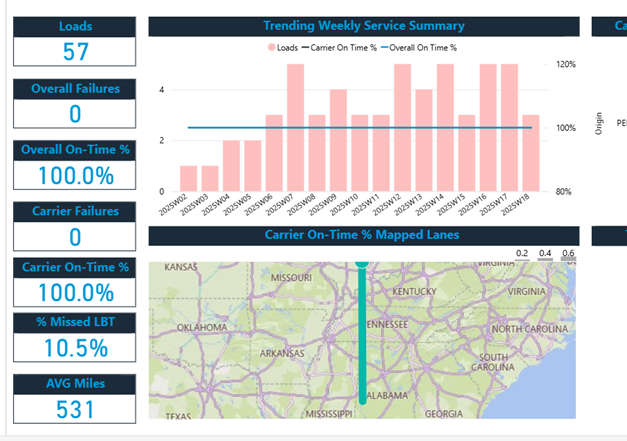
We’re celebrating an incredible milestone out of Pennington, AL57 Walmart loads delivered with zero failures so far this year! That’s a 100% on-time service rate, and it hasn’t gone unnoticed. Here is some feedback from our KBX customer:

💬 “KMTN has taken 57 Walmart loads… not a single failure! HUGE shoutout to Jason & the team for staying on top of these and making Walmart loads a priority. Thank you for all your efforts!” – Sarah, Senior Logistics Specialist,

💬 “This is awesome to see! Thank you all very much for your hard work and execution on servicing Walmart. Walmart is a very sensitive customer for us, so to see 100% service is greatly appreciated. Keep up the great work!” – Kyle, Logistics Manager, KBX

💬 “Incredible!!! Really awesome job to everyone at Marvin Keller!” – Shelby, Logistics Team Lead, KBX

This kind of consistent performance only happens when professional, dedicated drivers put excellence first — and that’s exactly what our team has done.

Keep up the great work!

Categories
Announcement & Hot Topics Safety

Real Advice from the Road: What Every Student Driver Should Know

At MK, we’re proud to welcome a new wave of Student Drivers. As you begin your career behind the wheel, there’s no better way to prepare than by learning from those who’ve already traveled the road ahead.

We asked some of our experienced MK Driver Trainers to share the advice they always pass along to their students. From safety tips to mindset shifts, here’s what they had to say:

Wes Thomas – Practical, Real-World Wisdom

I’ve got a few go-to phrases I like to share with new drivers:

“When in doubt, don’t pull out.”

If a move feels risky, don’t do it. Better to wait than to cause an accident.

“Keep the G’s to an ease.”

Take turns and stops slowly and smoothly to avoid shifting your load.

Midday fatigue hits us all. A tip?

“Chewing gum has actually been shown to improve alertness more than coffee, loud music, or rolling your window down.”


Charity Battley – Integrity Behind the Wheel

“It’s too easy to do the right thing the first time — and every time!”

Charity encourages new drivers to stay focused on professionalism and not to be swayed by the shortcuts they might see others take:

“You’ll see drivers out there doing the wrong thing — don’t be tempted.”

Her advice is clear: doing the right thing consistently is not just about safety, it’s about who you are as a professional.


Ken Newby – Stay Aware, Stay Safe

Ken has a wealth of hard-earned advice, and it all centers around one thing: vigilance.

  • Secure the Trailer: Always check your kingpin — especially after a break. Some drivers have had it pulled as a prank.
  • Check the Seal: For food-grade freight, confirm the seal number before you roll.
  • Inspect Often: Pre-trips protect you from being blamed for damage. Even quick stops deserve a walk-around.
  • Don’t Be Rushed: If you’re backing up, take your time. Watch out for untrustworthy “helpers” who may try to mislead you.

·


Ryan Ernst – Read Every Sign

“Pay attention to every sign — especially the ones just for trucks.”

Ryan reminds new drivers that truck-specific signage is everywhere. From low clearances to weight limits, train your eyes to catch what your car-driving days may have missed.


Brian Doughty – One Day at a Time

“If you make a mistake, it’s not the end of the world. Learn from that mistake.”

Brian offers an encouraging reminder to all new drivers: Perfection isn’t required, but a willingness to learn is. If you mess up today, take the lesson with you and move forward. Every day is a fresh opportunity to be better than yesterday.


Travis Bartels – Never Rush the Important Stuff

“It doesn’t matter how long it takes you to back into a spot. Ensure that it’s done safely and get out and look as many times as you need to accomplish the back safely.”

Backing isn’t a race — it’s about accuracy and safety. Travis reminds students that taking your time shows professionalism, not weakness.


Greg Allsop – Habits That Make a Difference

A seasoned driver and Smith System Trainer, Greg shares habits that set professionals apart:

  • GOAL: Always Get Out And Look when backing. Check both sides for the safest angle.
  • Verify the Coupling: Don’t just rely on the tug test. Use a flashlight to inspect the fifth wheel, locking jaw, trailer plate, and handle.
  • Smart Trip Planning: Use downtime to map out multiple stop options. Aim for one ideal stop and backup locations every hour to reduce stress.
  • Coordinate Breaks: Pair your 30-minute break with fueling, loading, or unloading to maximize your time.
  • Trip Inspections: Use your 10-hour break to fix issues and avoid delays the next day.

Jeremiah Brubaker – Safety First, Always

Jeremiah’s advice is simple, yet essential:

  • “Use G.O.A.L. every time you back.”
  • “On downgrades, you can always gain speed — but can you stop safely?”
  • “Take as many pull-ups as needed.”
  • “Know your limits.”
  • “Always keep food and water in the truck in case of breakdowns.”
  • “And most of all — be safe and have fun.”

·


To Our New Drivers:

Starting a new role as a Student Driver at MK is an exciting step, and it comes with a responsibility to yourself, your team, and everyone you share the road with. Their advice isn’t just about turning a wheel — it’s about becoming a professional.

To all our new drivers: We’re glad you’re here. You have a strong team behind you, and we can’t wait to see the great things you’ll accomplish.

Categories
Announcement & Hot Topics

Wild West of NC Towing- MK Truck Booted With Driver Still Inside

We’ve had two serious incidents in the past week involving predatory booting and towing in North Carolina, both resulting in costly fines and lost time. 

  • Last week, one trailer was booted & towed
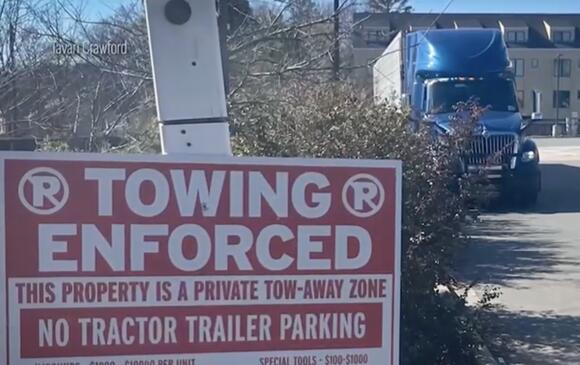
  • This morning, a truck and trailer were booted (locked) while the driver was still inside the truck at a 7-Eleven. The tow company demanded $1,500 to remove the boot because the driver hadn’t signed in at the store, as required by a small posted sign.

These kinds of aggressive tactics are becoming more common, especially in urban areas across North Carolina. Here’s a related article showing just how serious this issue is statewide:

Wild West of Towing in Charlotte: Trucker calls WBTV after $2,000 boot bill

To Avoid Booting or Towing:

  • Never assume it’s okay to park just because it’s a commercial lot. Look for any signage that requires permission or sign-in, or restricts truck parking.
  • Always scan for signs like “No Parking” or “Tow Away Zone.”
  • Do not park on private property without permission. Even brief stops can result in booting or towing.
  • Avoid relying on public property unless you’re sure it’s legal. Some areas that appear to be public may be city-owned and still restricted. When in doubt, always ask for permission. 
  • Best practice: Use designated truck parking areas such as:
    • Truck stops
    • Rest areas
    • Our company drop lots

Note: If you pay for parking, keep the receipt, and we will reimburse you on your next settlement! 

Your safety and time are a top priority. Let’s stay vigilant and avoid these unnecessary costs and confrontations. If you ever feel unsure about a parking spot, reach out to dispatch or check your route plan for the nearest safe location.

Stay safe and smart out there.

Categories
Announcement & Hot Topics

How One Bad Attitude Can Wreck The Entire Operation

Our company culture is shaped by values, traditions, behaviors, and results—but it’s also defined by great character. The way we treat one another, communicate, and hold ourselves accountable directly affects not only the quality of our work but also the strength and success of our entire team.

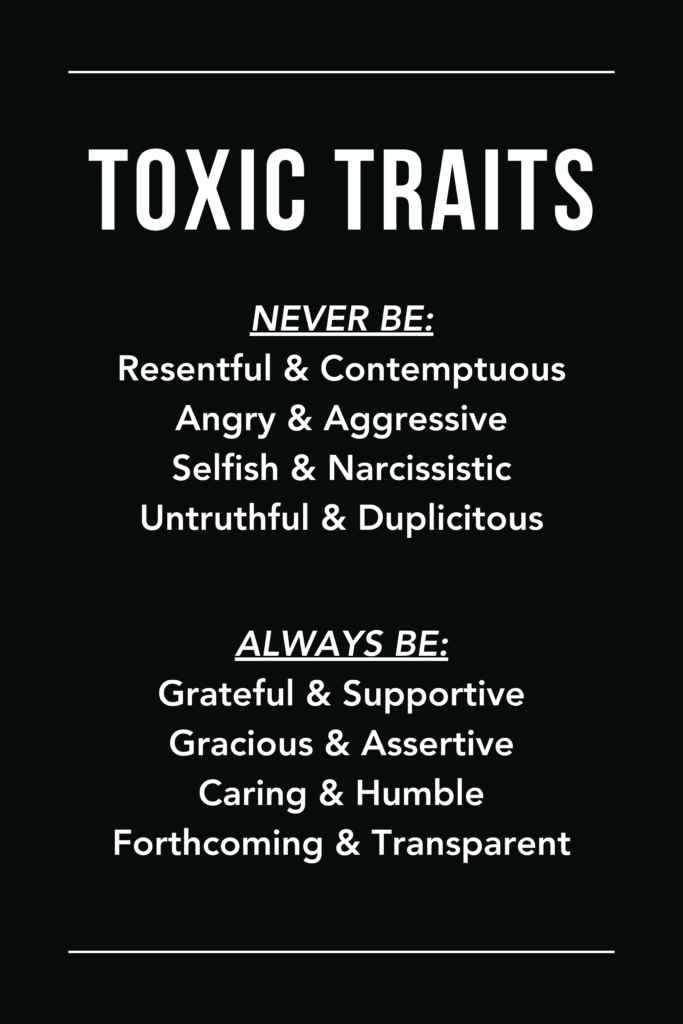
At the core of a strong culture is a shared commitment to growth and high standards. One way we assess our culture is by how much time we spend coaching on character, addressing issues like unprofessionalism and underperformance. Toxic traits aren’t ignored; they’re identified and addressed because they impact everything.

 Identifying the Red Flags

People with great character make better decisions, overcome more obstacles, and consistently deliver better results. Toxic character traits, on the other hand, create unnecessary friction, break trust, and drain morale. Even one person operating with a toxic mindset can impact the entire operation, slowing down progress, damaging relationships, and compromising safety. These are the attitudes and behaviors we refuse to normalize:

  • Resentment & Contempt – These attitudes poison relationships and block growth. They foster division instead of unity.
  • Anger & Aggression – There’s no room for intimidation or volatility in a professional setting.
  • Selfishness & Narcissism – Trucking requires teamwork and mutual respect. An “all about me” mindset undermines collaboration.
  • Dishonesty & Duplicity – Integrity is non-negotiable. Anything less puts our reputation and our relationships at risk.

Striving for Something Better

We actively promote and reward the traits that strengthen both individuals and the team. These aren’t just preferences—they’re the foundation of who we are:

  • Gratitude & Support – Appreciating each other and offering help when needed builds a foundation of trust.
  • Grace & Assertiveness – We aim to be kind, confident, and direct when necessary.
  • Care & Humility – We look out for one another and always stay open to learning and feedback.
  • Transparency & Forthcomingness – Being honest and clear in communication avoids misunderstandings and builds respect.

These values shape how we work and how we win—together.

Growth Is Always on the Table

No one is expected to be perfect, but everyone is expected to grow. We believe in coaching and investing in our people. That said, growth must be paired with accountability. If toxic behaviors go unaddressed, they become a liability to the team, and that’s something we can’t afford. We’re building more than a business—we’re building a workplace people are proud to be part of. That means living our values daily—not just in what we do, but in how we do it. Let’s continue raising the standard and grow and improve together.

Categories
Announcement & Hot Topics

Can I call myself a Professional Trucker?

Whether you’re just starting your journey as a truck driver or have been on the road for years, you are bound to encounter adversity along the way. From inclement weather and tight schedules to breakdowns, every driver faces challenges. What sets a true professional apart isn’t avoiding adversity, but how they respond when it hits.

1. Maintain Composure Under Pressure

It’s easy to get overwhelmed, especially when faced with an unexpected roadblock—be it heavy traffic, a road closure, or a mechanical issue. It’s natural to feel stressed, but remember: keeping your cool is crucial. Reacting impulsively or letting frustration take over can lead to poor decision-making. Whether you’re new to the industry or a veteran, always take a few deep breaths before reacting to adversity. It will help you think clearly and make better decisions.

2. Prioritize Safety Above Everything Else

When facing adversity, professional drivers never cut corners. Whether it’s bad weather, fatigue, or challenging road conditions, they rely on smart, informed decisions and strict safety protocols—no matter how routine or inconvenient they may seem. At the end of the day, nothing matters more than arriving at your destination safely, even if it means showing up a little later than planned.

3. Effective Communication: Key to Managing Adversity

If you’re dealing with a challenging situation—like a mechanical failure, an accident, or a traffic jam—update your dispatcher regularly, so everyone is on the same page. Good communication can reduce stress, improve problem-solving efficiency, and lead to quicker resolutions. Don’t be afraid to ask for help. Whether you’re new or seasoned, there’s no harm in seeking advice or assistance from fellow drivers or dispatchers. We’re all in this together.

4. Embrace Problem-Solving

Truckers are often on their own when problems strike. A professional sees adversity as a challenge to overcome, not a reason to complain. The key is to stay resourceful and solution-oriented. For instance, keeping tools, extra supplies, maps, and an emergency plan on hand can make a big difference. The more prepared you are, the better you’ll handle situations like mechanical issues, route changes, or missed delivery windows.

5. Learn and Grow from Every Setback

No driver is perfect, and we all make mistakes at some point in our careers. A true professional learns from their experiences, regardless of how difficult or frustrating they may seem at the time. Reflect on what went wrong and think about how you can approach the same situation differently next time. Even after years of driving, there’s always room for growth. Learning never stops, and every challenge is an opportunity to become a better driver. The Drive MK App is the perfect tool to share knowledge and learn from other drivers.

6. Represent the Industry with Pride

You may be new to trucking, but you’re already part of an essential industry. The way you handle adversity reflects not only on your professionalism but also on the trucking industry as a whole. Being courteous at rest stops, maintaining a positive attitude, and adhering to industry standards helps elevate the profession’s reputation.

As a seasoned driver, you’re a role model for newer drivers. When you face adversity, others are watching how you respond. Demonstrating professionalism and patience—even in the face of challenges—helps create a positive image for the entire industry.

Professionalism is contagious. When one driver leads by example, others often follow.

Conclusion: Professionalism is Key to Overcoming Adversity

Whether you’re new to the road or a seasoned pro, adversity is inevitable—but how you handle it is what sets successful drivers apart. With the right mindset, preparation, and professionalism, every challenge becomes an opportunity to grow. Stay calm, prioritize safety, communicate effectively, and approach problems with a solution-focused attitude. No two days in trucking are the same, but a professional mindset helps you navigate even the toughest situations—and come out a better driver because of it.