Categories
Announcement & Hot Topics

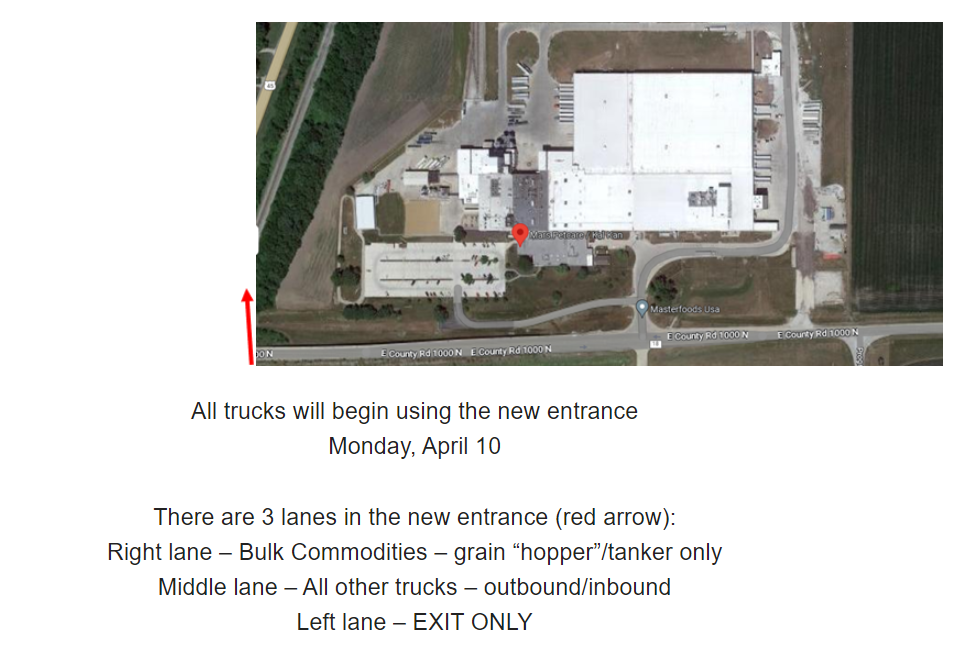
New Truck Entrance at Mars in Mattoon

Mars – Mattoon, IL new truck entrance is now open. Drivers will pull up in the middle lane and follow instructions to contact the shipping office. We also have new signs placed by the road to help direct traffic.

If you have any questions, please contact your driver manager!

Categories
Announcement & Hot Topics

Did you know?

Did you know having good anticipation skills can reduce your chance of getting into an accident?

Anticipation is all about reading your surroundings and remaining aware by being alert. Becoming more aware of the road activity ahead will help you have more reaction time and additional space for safety.

How is Anticipation Measured in BlueTree Scorecard:

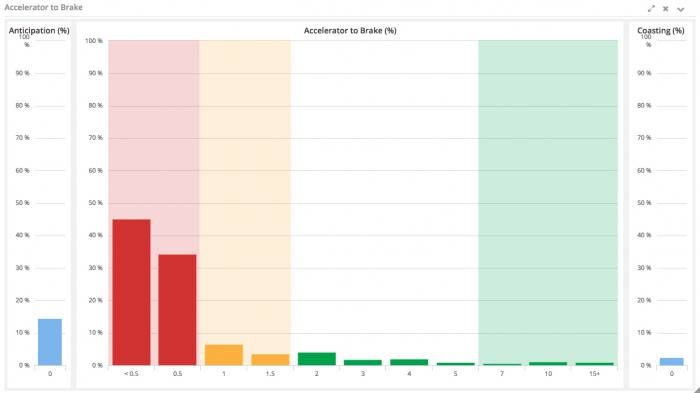
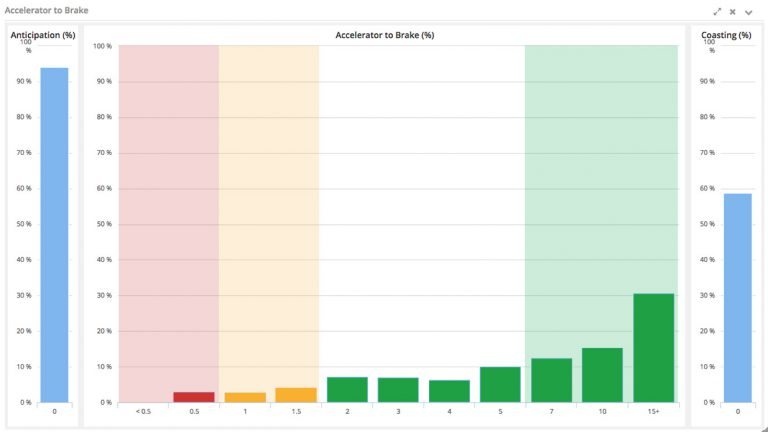
Anticipation: time between acceleration and braking – the goal is 1.5 seconds or more.

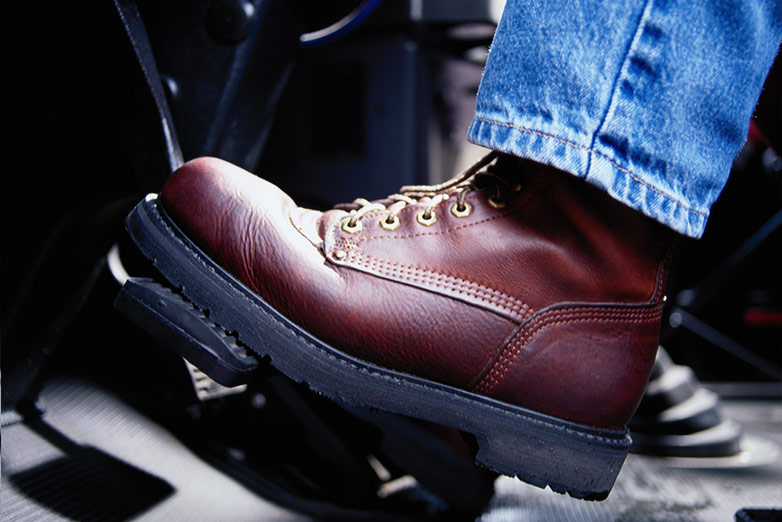
Anticipation measures the time taken before the brake is pressed after a driver lifts their foot off the accelerator. Large numbers of events of short duration (e.g. less than one second) show that the driver has to react too rapidly to events instead of the opposite, a controlled braking event.

In other words, slamming on the brakes would be given a high anticipation score and, if this happens repeatedly, could be a sign of unsafe driving or poor awareness of the road. However, easing off the acceleration and waiting for a period of time before braking afterward shows that the driver is coasting to a stop and is in complete control.

This driver is demonstrating poor anticipation behavior. The image suggests the driver spends a lot of time moving quickly between brake and accelerator and is reacting to the road ahead.
This driver is demonstrating excellent anticipation skills. They are managing their braking activity well in respect of the road ahead.

What Poor Anticipation Behavior Can Cause:

Wear and tear on brakes & tires: Not only does this impact driver safety but it can also negatively impact equipment longevity, increasing operational costs.

Poor fuel efficiency: When drivers are aggressively braking, it’s often because they don’t have enough time to ease off the acceleration and coast to a natural stop without wasting fuel. While improving road awareness can help to improve reaction time, Anticipation scores can show which drivers need to prioritize fuel economy.

Potential accidents: With long days, drivers are bound to lose focus from time to time. Anticipation is a way to assist drivers in identifying the habits that could be risky so they can work on changing them before an accident occurs. 

Tips to improve anticipation behavior:

Key 1 Aim High In Steering

  • Look ahead to where you will be at least 15 seconds (or more) into your future.
  • A 15 second eye lead time provides advance warning and gives you an additional margin for safety.
  • Use improved eye lead time for more efficient and economical driving.

Key 2 Get The Big Picture

  • Position your vehicle in the lane of least resistance.
  • Stay alert to the relevant information that can assist you in making well-informed decisions.
  • Eliminate vision barriers by establishing proper following distance. 
  • Stay far enough behind other vehicles to obtain the visibility necessary to make your own decisions. 

Categories
Announcement & Hot Topics Maintenance & Equipment

New Maintenance Campaign!

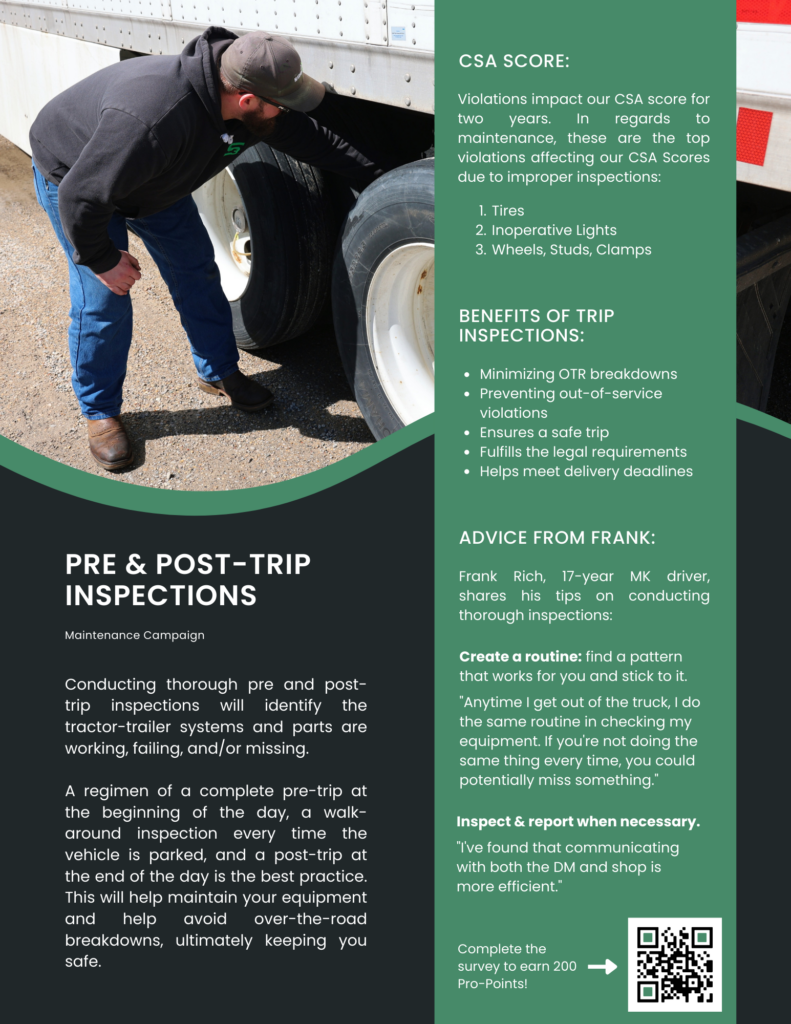
A new maintenance campaign means an opportunity to learn and earn Pro-Points! This campaign focuses on the importance of Pre & Post Trip Inspections from a maintenance and safety standpoint.

Those who complete the campaign activities by June 30th, 2023, will receive 200 Pro-Points!

Campaign Materials:

Importance of Pre & Post Trip Inspections.pdf

Maintenance Campaign – Survey

Categories
Announcement & Hot Topics

Driver Spotlights

We would like to recognize the following drivers for going above and beyond in helping us out! We appreciate you going the extra mile!

First, we would like to shout out, Allen Fitzgerald. He saw another Marvin Keller driver, Dave Ward, at a Walmart DC and noticed his headlight was out.  Allen had some extra bulbs in his truck and helped Dave get his replaced. Thank you for setting such a great example for the rest of our drivers!

Shout out to Wade Owns for paying off his Lease Purchase truck  – your dedication is leading you to success!

Thank you to Frank Rich. He located an old BOL that helped us bill a customer for an old shipment.  It is very appreciated!

Shout out to Kerri Doss & Brian Doughty did a Meet & Greet to make sure we made on-time delivery. Thank you for keeping our Customers happy!

Kerri
Brian

Lastly, thank you to Wes Ryden, Dalton Medley, Dustin Carey, Mike Manion, Shaquille Eleazer, Eric Doney, and Jacob Mercer, who all worked extra days recently to help us make Customer deliveries. Thank you for the extra time and effort.

Wes
Dalton
Dustin
Mike
Shaquille
Eric
Jacob
Categories
Announcement & Hot Topics

Did you know?

Did you know that cruise control can help you maintain a safe speed, follow distance, and avoid collisions?

The strength of cruise control is that it eliminates the systematic acceleration and deceleration drivers are prone to when traveling down an interstate or an empty country highway. 

Safety features of cruise control:

  • Active brake assist
  • Lane departure warning
  • Automatically sets a following distance

These advanced safety features can help you maintain a safe following distance and avoid collisions. 

Benefits of using cruise control:

  • Fuel-saving: Maintaining a constant speed over great distances is more fuel efficient. 
  • Reduces stress:  Constantly matching and releasing the accelerator pedal can stress the muscles excessively. But cruise control relieves truck drivers of that stress, allowing them to get some stretches in without losing time.
  • Cruise Can Help Control Traffic: By setting your cruise control just under the posted speed limit, you will create a natural buffer around your truck.
  • Speed: maintain a safe speed

BlueTree Scorecard: 

Within the Driver Scorecard, cruise control impacts your performance score. It’s measured by the percentage of time spent traveling over 55 mph while engaging the cruise control. Thus, the more you use it, the better your score. 

Cruise control is an impressive piece of technology that helps to save fuel and drive efficiently. But before you engage the cruise control in your truck, remember only to use it during favorable weather conditions and at reasonably low speeds. 

Categories
Announcement & Hot Topics

Did you know?

Did you know the higher the RPM, the more fuel is burned? If you enjoy revving hard and taking off at speed, you may not realize its effect on your fuel mileage.

First, what is over-revving?

Over-revving occurs when the driver revs the engine beyond its recommended RPM range. RPM or Rotations Per Minute deals with how fast the engine operates.

Effects of Over Revving:

Nowadays, most truck engines are designed to be protected from over-revving. Though, this doesn’t mean there aren’t any effects from doing it.

One notable effect of over-revving is poor fuel efficiency. The faster an engine spins, the more fuel it uses, so allowing your truck to reach excessively high revs in any gear causes poor fuel efficiency. Trucks running at 1400 RPM will achieve the best fuel mileage.

How is Over Revving Measured in BT Scorecard?

BlueTree Metric Definition: Over Revving – Accelerated RPM

In the BlueTree Performance Scorecard, over-revving is measured by the percentage of time spent over the RPM target.

  • 3% of the time: Good (Green)
  • 6% of the time: Okay (Yellow)
  • 12% of the time: Bad (Red)

RPM Target

  • Anything lower than 1700 RPM – Green
  • Anything higher than 1700 RPM- Yellow
  • Reaching or higher than 1900 RPM – Red

How can I improve in the over-revving category?

If you notice that you place yellow or red in the over-revving category, here are some tips to help you achieve green:

  • Avoid aggressive acceleration
  • If driving a manual transmission car and realizing that you have under-shifted, that best way to avoid over-revving is to jam the clutch pedal in. When your clutch is depressed in a manual car it prevents the wheels from being connected to the engine. Make sure when you’re shifting gears your in the correct gear.
  • Proper use of engine break – for Owner Operators only
Categories
Announcement & Hot Topics

Happy St. Patrick’s Day!

Happy St. Patrick’s Day! We were lucky enough to receive these delicious cupcakes from Owner Operator, Mark McKinley’s daughter. They were magically delicious! Thank you so much to the McKinley Family.

We wish you good luck, blessings, and happiness for today and every day.

Categories
Announcement & Hot Topics

Did you know?

Although engine idling may appear harmless, you may not be aware of the financial costs and truck damage it causes.

Idle wastes fuel and money

Did you know a truck that idles up to 6 hours daily will consume 1,800 gallons of fuel a year?

  • For every hour you idle, you burn one gallon of fuel.
  • If a truck idles for 6 hours per day and operates 300 days a year, it would consume 1,800 gallons of fuel per year, simply idling
  • At $4.29 per gallon of diesel, this idling comes with a price tag of $7,722 per truck

Idling causes engine wear and tear

Did you know that idling time does more engine damage than starting and stopping? Running an engine at low speed (idling) causes twice the wear on internal parts compared to driving at regular speed. Thus, it increases maintenance costs and shortens the lifespan of the engine.

MK’s #1 repair due to excessive idling:

The most common repair we see related to idling is replacing the DPF filter. Replacing the DPF filter can cost between $2,500 – $10,000 which also leads to 3-4 days of downtime. Not to mention multiple Regens and further damage to DEF pumps and/or 1 box can also occur from high idling.

BT Scorecard:

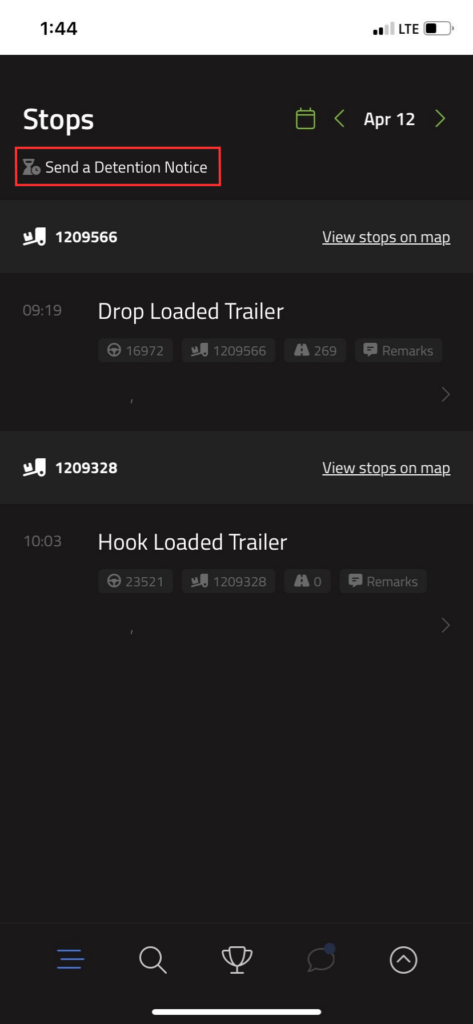
Idling is also a metric category within the BT Driver Performance Scorecard. As of right now, your score is affected when your engine is idling for more than 3 minutes without moving. To improve your score in the idling category, see the tips down below or contact your DM.

What can you do to help reduce idle time?

  • Turn off your engine if waiting to load or unload
  • Turn off equipment during breaks
  • Follow manufacturer’s recommendations for minimum warm-up time – usually 3 to 5 mins

Sources:

What is the true cost of truck idling time?

Categories
Recognition

Driver Spotlights

For last week’s driver spotlights, we recognized the following drivers who went above and beyond! We appreciate you going the extra mile!

First, we would like to shout out Eric Doney for taking the time to completely clean out the truck he was moved into temporarily. It looks like a new truck – thank you for going out of your way to do that for us!

Shout out to Bob Willis for flying out to GA to pick up a truck that had been down for repair. Thank you for the time and effort it took to rescue our truck!

Thank you to Deb Coleman & Dan Schmitt, both worked extra days this past week to help cover Customer freight. We really appreciate having you on our team!

Deb Coleman
Dan Schmitt

Lastly, shoutout to Dave Ward & Mark Jordan and Brandon Jones & Dustin Carey. They all did Meet & Greets to make sure our drivers got home on time. Thank you for keeping our Customers happy!

David Ward
Mark Jordan
Brandon Jones
Dustin Carey

Categories
Announcement & Hot Topics

Did you know?

Did you know you can improve your fuel mpg just by driving at a lower speed? When it comes to optimizing your fuel economy, a lead foot loses. From a cost perspective, we want to show you how much money you can save just by increasing your mpg:

You can conserve fuel by learning how different driving behaviors affect fuel economy and by adopting techniques to save fuel and money. Below are some fuel-saving techniques to start implementing:

  • Drive at or under the posted speed limit: faster speeds encounter more air resistance, requiring the engine to work harder and compensate with more fuel.
  • Set a speed that is responsible.
  • LOVES is MK’s preferred fuel station: We receive the best discounts!
  • Each MPH over 60 mph equals a 1/10 decrease in MPG
  • Avoid hard braking and sudden stops by maintaining a proper following distance of 6-7 seconds.
  • Coast as often as practical: Loaded trucks can coast long distances. For example, when approaching a stop sign, ramp, speed zone, or construction zones, use the momentum of the truck instead of the accelerator.
  • Accelerate in a relaxed, measured, and deliberate manner.
  • Shift smoothly and at lower rpms.
  • Check tire pressure daily using a calibrated tire gauge on trucks and trailers.
  • Shut the truck off: turning it off even if it’s for a few minutes or a short period of time helps with fuel performance.
  • Tractors burn up to one gallon of fuel per hour while idling.
  • Track your weekly fuel economy.

The worst time to start improving your fuel mileage is when fuel costs are high. We should always be proactive and constantly bettering our fuel mileage no matter what.

Spread your knowledge and practice these techniques every day to see improvements!